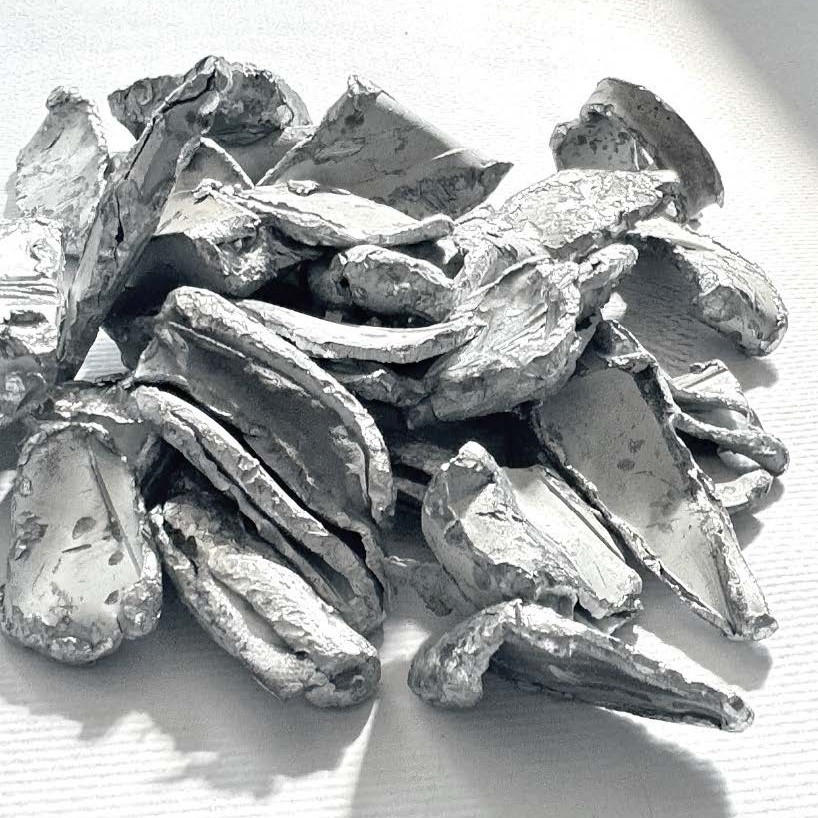
ALUMINUM







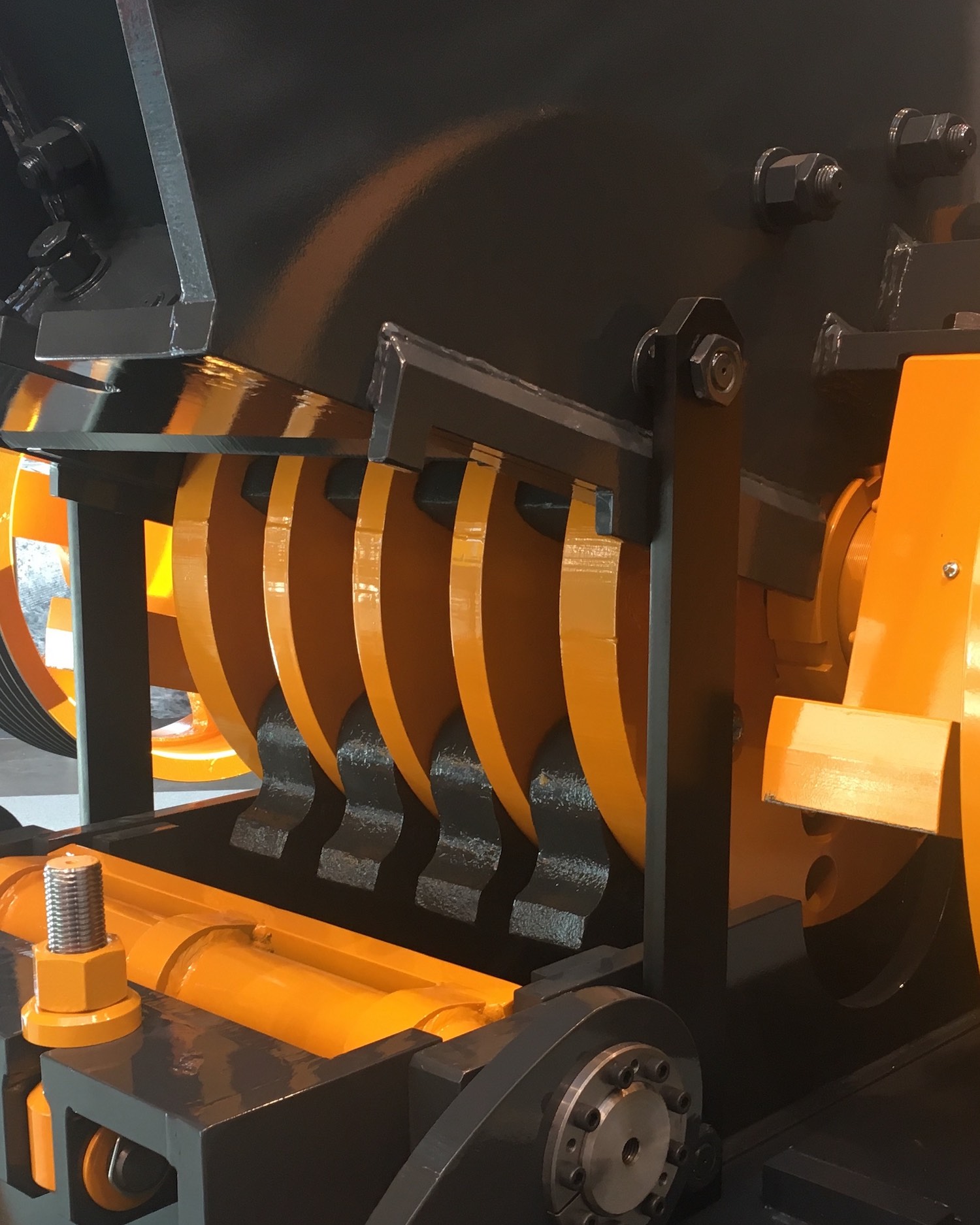


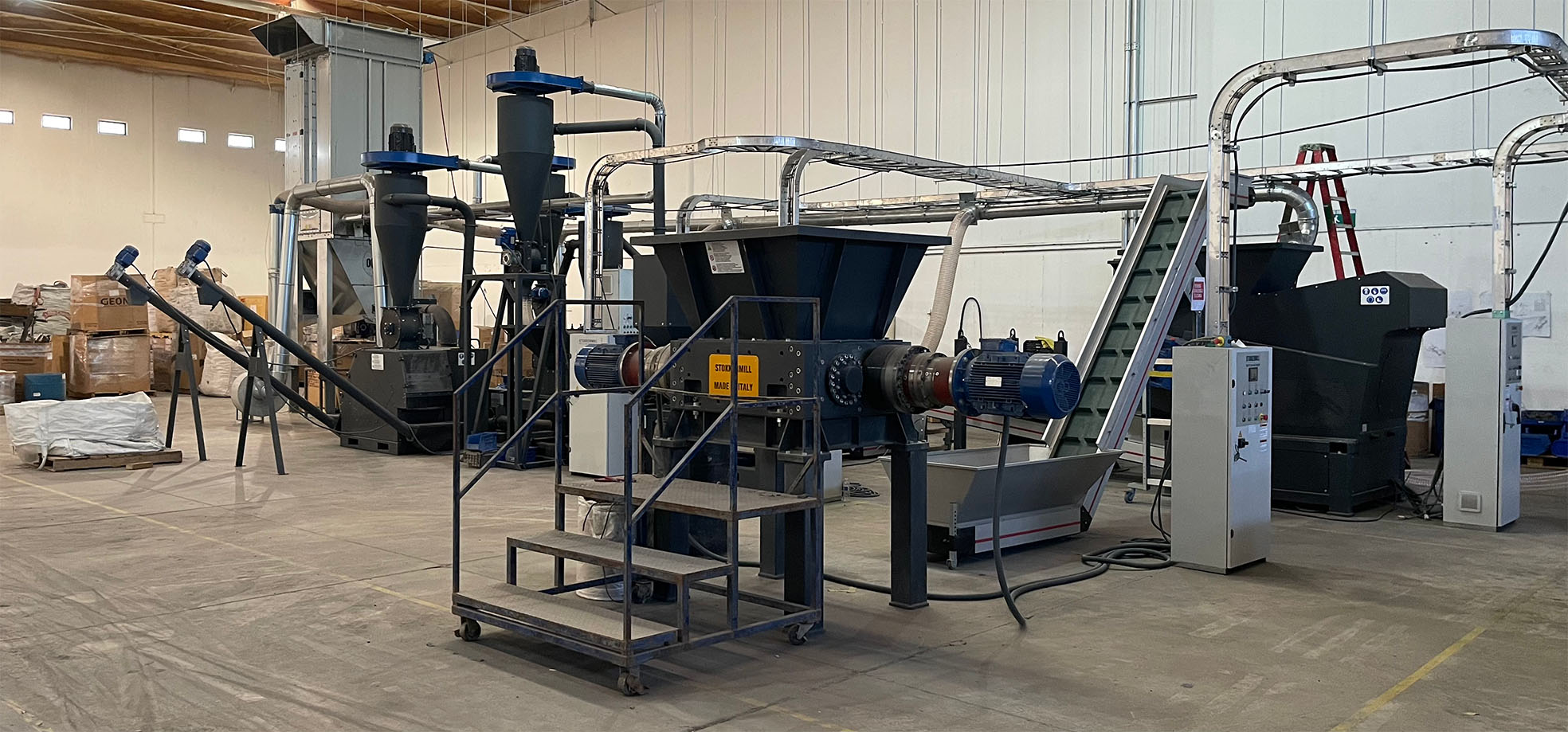

Solar & PV panels recycling plant and lines in USA for recovery of the panel: silicon, glass, wiring, plastic and aluminum
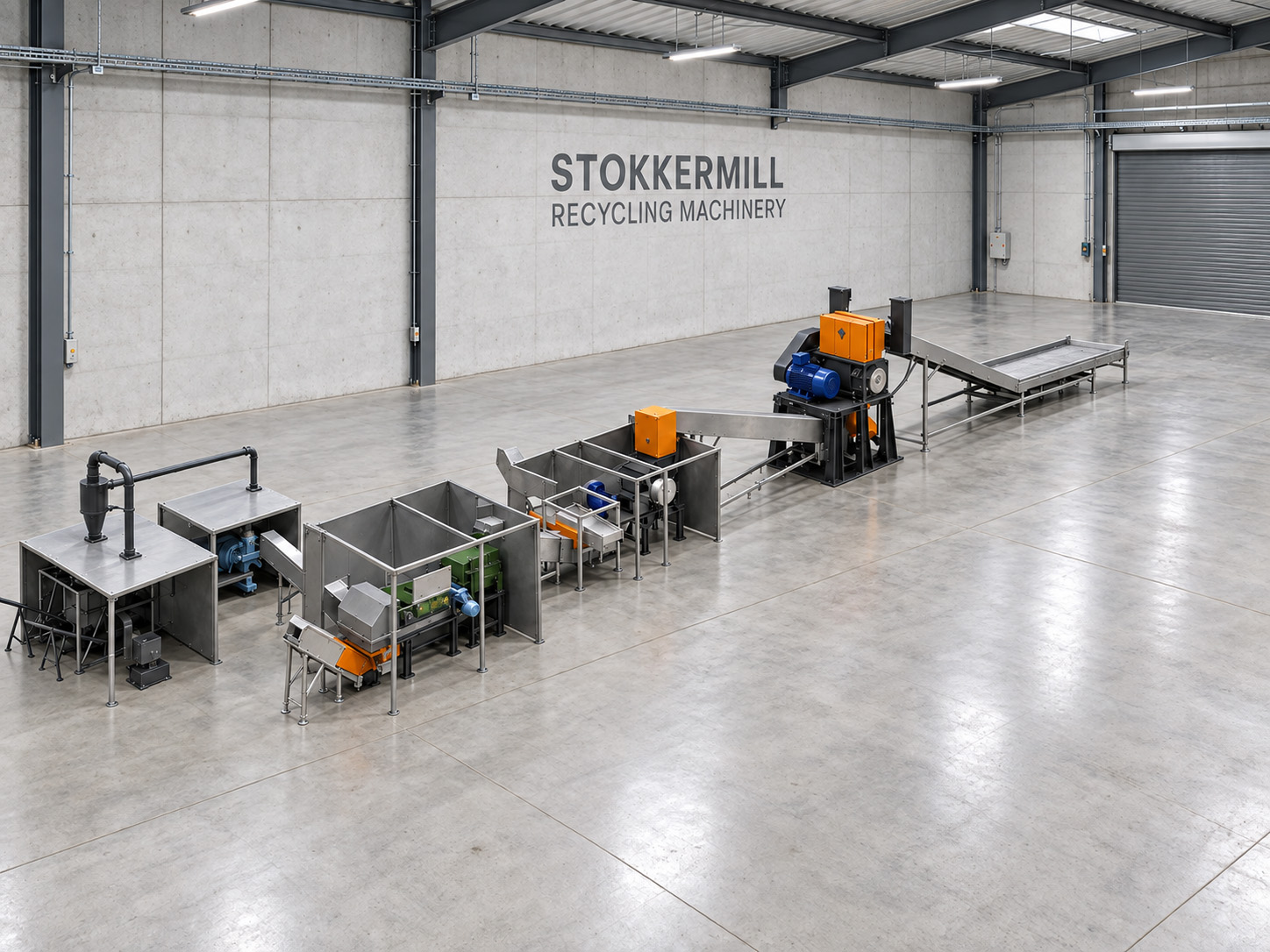
The recycling line for a solar panel recycling plant enables the recovery and reuse of materials from end-of-life solar and photovoltaic modules, such as silicon, glass, wiring, plastics, and aluminum.
Thanks to an advanced industrial process, the system efficiently recovers photovoltaic panel components. Each module can be broken down into reusable resources: approximately 33.1 lb of glass, 2.20 lb of silicon powder for the steel industry, 7.716 lb of aluminum, 0.66 lb of plastic, and copper wiring. The fully automated process uses delamination technologies to precisely separate components, eliminating the need for manual intervention.
The SOLAR product line by Stokkermill aims to improve the quality of recovered materials—up to 98% of total panel weight—while drastically reducing manual operations and energy costs. Notably, energy consumption per module never exceeds 1 kWh, ensuring high efficiency with minimal environmental impact.
This result comes from years of R&D and continuous technological upgrades, enabling the processing of polycrystalline, monocrystalline, and even non-standard-sized panels. The system also eliminates the need for costly manual removal of aluminum frames, ensuring higher productivity and lower operating costs.
ALUMINUM

GLASS

SILICON

EVA

COPPER
Aluminum
The Stokkermill recycling system does not require removal of the aluminum frame, significantly reducing processing time. The quality of the output material is excellent. Aluminum is ready for smelting, free of contaminants, and properly sized for downstream metallurgical processes. The aluminum fraction also meets End-of-Waste (EoW) criteria.
Maximum material recovery and minimal energy impact.
18% recycled aluminum – 1.2–2.8 in profile size
Value refers to 1 ton
Glass
The glass obtained from processing is divided into different grain sizes and quality levels. The coarser glass fraction is extremely clean. The finer fraction is still suitable for the ceramics industry, including applications in high-quality silicon steels production. Both fractions have low iron content.
70% recycled glass –0.16–0.39 in glass size
Value refers to 1 ton
Silicon
This is an End-of-Waste fraction with a high silicon concentration, containing traces of silver and other valuable metals, making it suitable for recovery through chemical-physical processes. It is also used as an additive in steelmaking, as a raw material for ceramics and glass, as a component in abrasives and refractory materials, and as a base material for metallurgical silicon or semiconductor production.
8–10% recovered silicon – < 0.024 in particle size
Value refers to 1 ton
EVA (Ethylene Vinyl Acetate)
The polymer backsheet and EVA fraction are recovered at the end of the process. These materials are essentially free of glass and other contaminants and have good calorific value. In specialized applications, EVA granules can be reduced to just a few millimeters in size.
5% recycled EVA – variable size
Value refers to 1 ton
Copper
Copper is a strategic, high-value metal that is easily reusable in industry. In solar panel recycling, Stokkermill leverages over 20 years of experience in metal separation using reliable technologies designed for conductive materials. This ensures optimized copper recovery and a high-quality final output through a simple and efficient process.
1.2% recovered copper
Value refers to 1 ton
Other Fractions
These may include fine metallic powders, whose composition varies depending on the type of panel being processed.
Energy consumption is a critical aspect of the recycling process, often overlooked but essential in determining the overall environmental and economic balance of a product’s lifecycle. Complex, energy-intensive processes can reduce or even negate the benefits of recycling.
Stokkermill has developed solutions that reduce energy consumption to less than 1 kWh per module, equivalent to approximately €0.15 ($0.20 USD) per unit based on average EU/US energy rates. This is achieved through high-efficiency machinery and optimized system design that maximizes performance while minimizing energy use.
Atmospheric emissions are limited to controlled dust capture, preventing environmental dispersion and simplifying permitting procedures, which are often complex for innovative recycling technologies.
Stokkermill systems are highly flexible and can be customized to meet specific user requirements in terms of throughput and material types. With targeted adjustments, the SOLAR line can also process electronic waste, aluminum profiles, and light scrap materials.
The following section describes the operational stages of the Stokkermill solar panel recycling line in detail.
The process integrates mechanical delamination, metal recovery, glass processing, and precision separation technologies to obtain high-value output fractions suitable for downstream reuse or refining.
• Continuous feeding via conveyor belt
• Compatible with framed or frameless panels, mono- and bifacial modules, damaged panels, and off-spec PV modules
• Junction box removal when present
• Controlled dosing system ensures a stable and safe flow to the primary shredder
2.1 Primary Shear Shredder
• Mechanical opening of photovoltaic modules
• First volumetric size reduction for downstream delamination
• Partial or complete aluminum frame removal
3.1 HMS – Primary Delamination Unit
• Complete separation of glass–EVA–cell structure
• Selective glass layer fragmentation
• Full liberation of metals (aluminum, copper busbars)
• Production of non-ferrous aluminum profiles ready for smelting (EoW)
• Generation of:
4.1 Air Separator / Vibro-Aspiration System
• Separation of heavy fractions (glass) from light fractions (EVA, fine glass, dust)
5.1 Overbelt Magnet
• Removal of residual ferrous materials
6.1 MFS5000 – Fine Metal Separator
• Recovery of fine non-ferrous metals (aluminum fines, conductive particles)
• Non-metallic fraction sent to XRS refining
6.2 Silicon Fraction Recovery
During HMS and MFS stages, silicon is released from fractured PV cells.
It appears as a mixed silicon powder combined with fine glass and micro-polymer particles.
It can be collected separately for specialized recovery processes.
7.1 XRS – Secondary Delamination Unit
• Mechanical refinement of glass/EVA mixture
• Further material liberation
7.2 Vibrating Screen
• Granulometric classification of glass
7.3 Density Tables
• Density-based separation of fine glass and polymers
8.1 External Cartridge Filter System
• Dust extraction and collection
• Automatic cleaning cycle
• End-of-waste aluminum profiles, furnace-ready
• Coarse glass
• Fine glass
• Glass + EVA mixture
• Ferrous materials
• Residual fine metals (from MFS5000)
• Consolidated silicon powder
Feeding → Junction Box Removal → Primary Shear → HMS Delamination → Air Separation → Magnetic Separation → MFS5000 → Silicon Release → XRS → Screening → Density Tables → Filtration → Final Output Fractions (including EoW aluminum + mixed silicon powder)
This workflow maximizes recovery of aluminum, glass, silicon, and non-ferrous metals, ensuring a highly efficient industrial process aligned with U.S. sustainability standards, EPA requirements, and emerging solar recycling regulations in states.
It is designed for high-throughput operation, low operating costs, and compliance with the growing demand for domestic PV recycling infrastructure across the United States.