









Lithium Battery Recycling Plant USA
A lithium battery recycling plant in USA enables the recovery of materials from end-of-life batteries through mechanical shredding and separation processes, recovering up to approximately 98% of the battery’s total weight.

Lithium Battery Recycling Plant for Electric and Electronic Devices and Electric Vehicles
The widespread use of batteries to power electrical and electronic devices has long been a well-established trend. Most rechargeable devices today are equipped with lithium batteries that must be properly managed, disposed of, and recycled at the end of their service life.
However, the complexity of lithium battery recycling became fully evident only with the rapid growth of electric vehicle adoption and the resulting need to recover high-value and strategically important raw materials. In general, lithium battery recycling processes can be divided into three main stages:
1. Pre-Sorting and Discharge
This stage involves isolating the battery pack and safely discharging any residual energy. The goal is to ensure safe handling and eliminate electrical risks before processing.
2. Disassembly
This phase focuses on dismantling battery packs to separate modules and individual cells, allowing for controlled downstream processing of components.
3. Mechanical Processing
Mechanical treatment is used to separate and concentrate metals, primarily copper and aluminum, while also isolating anode and cathode materials known as “black mass.” This fraction is then sent to further processing for the recovery of lithium, cobalt, nickel, and other valuable metals.
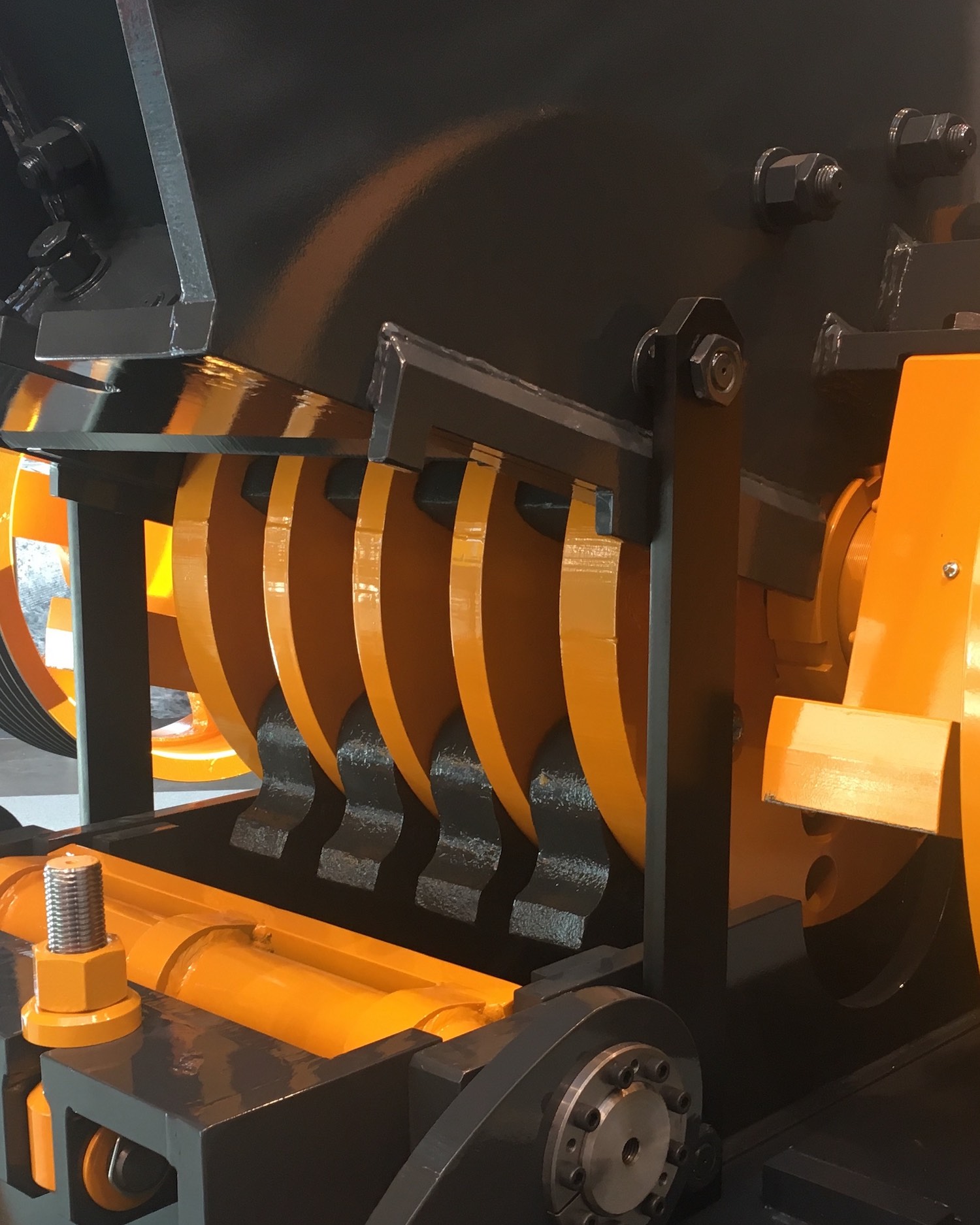
Size reduction is carried out using shredding systems of varying power and configuration. These systems fragment batteries into controlled particle sizes to facilitate downstream separation processes. The entire operation is performed as a dry process, without the use of water or liquid solutions, eliminating the need for wastewater treatment.
Lithium-ion batteries present inherent safety risks due to their high energy density and potential for thermal runaway, which can lead to fire or self-ignition. For this reason, recycling plants must be engineered with extremely high safety standards to prevent combustion events and ensure containment of any potential incidents within the system.
Refining and Separation Stage
Size Reduction
Reduction is typically carried out using vertical mills and impact mills, designed to produce a fine, uniform output material.
Separation
Multiple separation technologies are used to split heterogeneous material streams. These precision systems exploit the physical properties of different materials to achieve efficient separation.
Material Processing
Recovered metals such as copper and aluminum are suitable for direct reintegration into industrial supply chains as secondary raw materials. The black mass fraction is instead sent to chemical and physical refining processes for the recovery of critical elements such as lithium, cobalt, and nickel.
Plant Configuration and Capacity
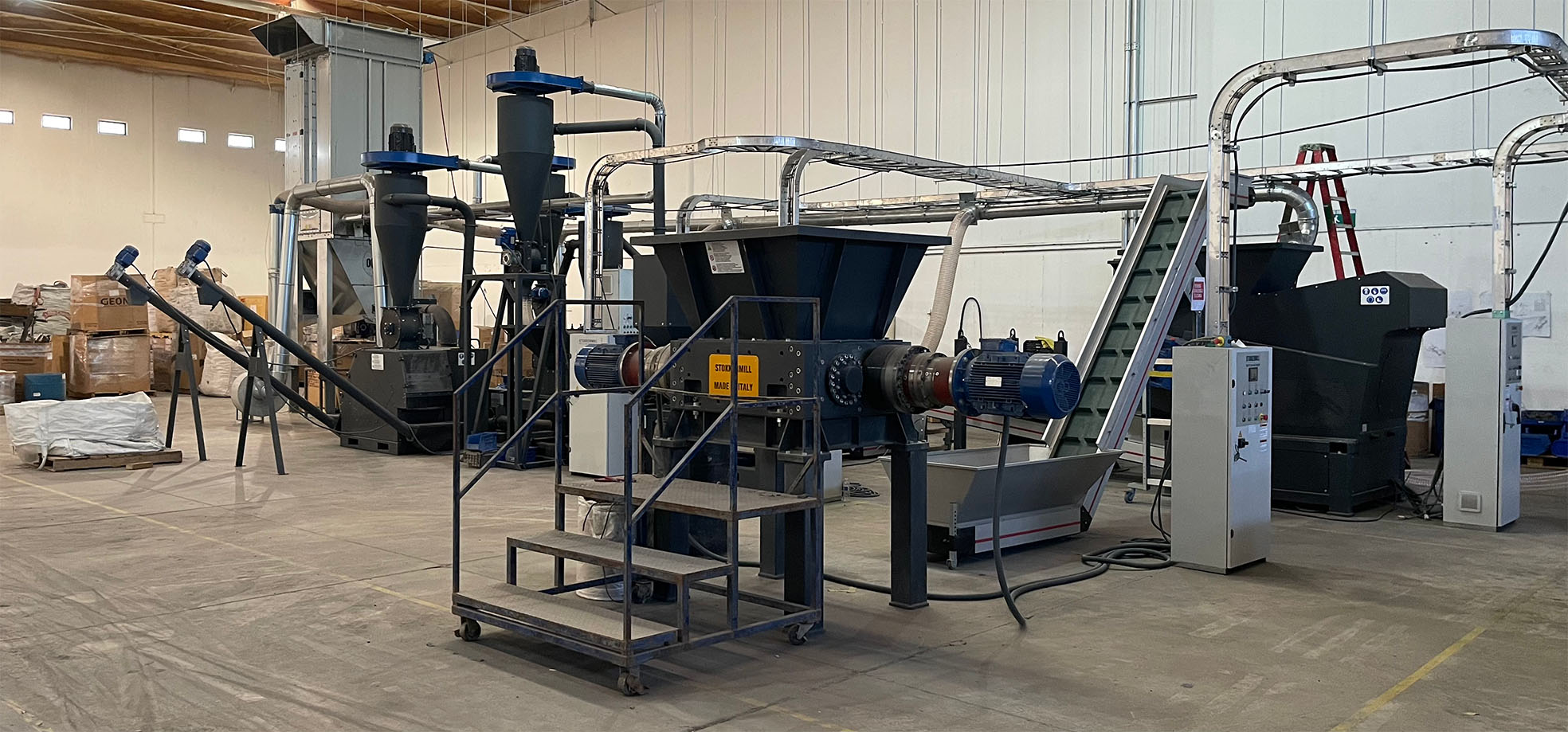
Lithium battery recycling plants are custom-engineered based on customer requirements, including capacity, layout, and process specifications. The minimum processing capacity is generally around 550 lb/h (approximately 250 kg/h).
This type of facility is designed for high safety, high efficiency, and compliance with modern environmental and industrial standards, supporting the growing demand for battery material recovery in both the EV and electronics sectors.