








Electrostatic Separator | E SORTING
Electrostatic separator for separation dry of metals from plastic, recovery of light metal, separate plastics from conductors, wire recycling
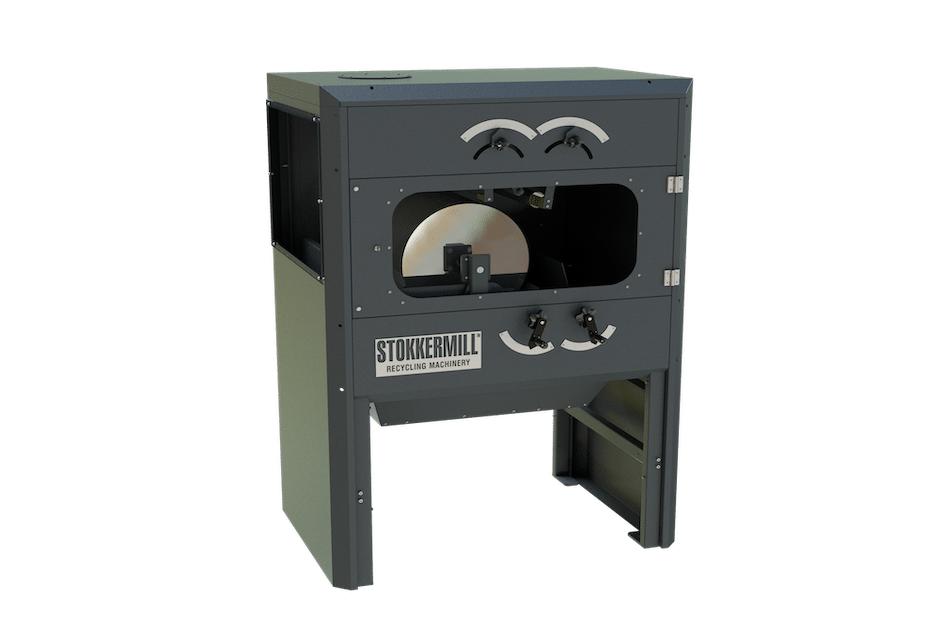
The Stokkermill E-Sorting electrostatic separators provide a unique method for separating critical minerals and recovering metals from certain recycled materials. Separation is achieved by inducing an electrostatic charge in dry, liberated conductive particles. E-Sorting separators are often used alongside high-intensity magnetic separators to enhance overall sorting efficiency.
Electrostatic technology is widely applied in plastics sorting, metal recycling, and mineral processing. The Stokkermill Original E-Sorting series represents the culmination of years of technological development and research specifically for the recycling and mineral processing industries. Traditional magnetic separation equipment cannot handle certain materials, and electrostatic separation has proven to be the solution.
The E-Sorting system is available as a single or double-stage setup and comes in three sizes, with feed widths of 19.7 in, 39.4 in, and 59.1 in, allowing Stokkermill to provide tailor-made systems to meet specific customer needs.
In operation, the electrostatic separator exploits differences in electrical conductivity among materials to achieve separation. Effectiveness depends on key material characteristics, including particle size, conductivity, and moisture content. In many fine particle applications—such as separating 2 mm copper granulate from plastics—the E-Sorting separator is the only eco-friendly technology capable of achieving precise separation.
The E-Sorting system uses corona technology, which separates insulators (plastics) from conductors (copper and aluminum) on an earthed roll. Insulators adhere to the roll via an image force, while conductors lose their charge and are ejected by natural trajectory. This technology also enables separation between different conductive materials, such as copper and aluminum.
Stokkermill E-Sorting electrostatic separators are suitable for sorting and recovering:
- recovery of light metal fractions from the recycling processes of PCB electrical and electronic boards as well as WEEE – the waste electrical and electronic equipment
- recovery of light metal fractions (copper and aluminum) present in the plastic fraction of cable recycling and electrical wiring operations
- separation of plastics with different dielectric properties (ex. shredded window frames separating aluminium from plastic)
- wire recycling
- separate plastics (insulators) from conductors (copper and aluminium)
- separate conductors (copper and aluminium);
- secondary metal recycling;
- mineral processing (ex. used in conjunction with high-intensity magnetic separators in separating beach sands)