


We develop the best technologies for recycling materials to find innovative solutions for the energy and ecological transition
STOKKERMILL | SELTEK SRL © 2023 | P. Iva. IT02360630301 | Privacy | Terms







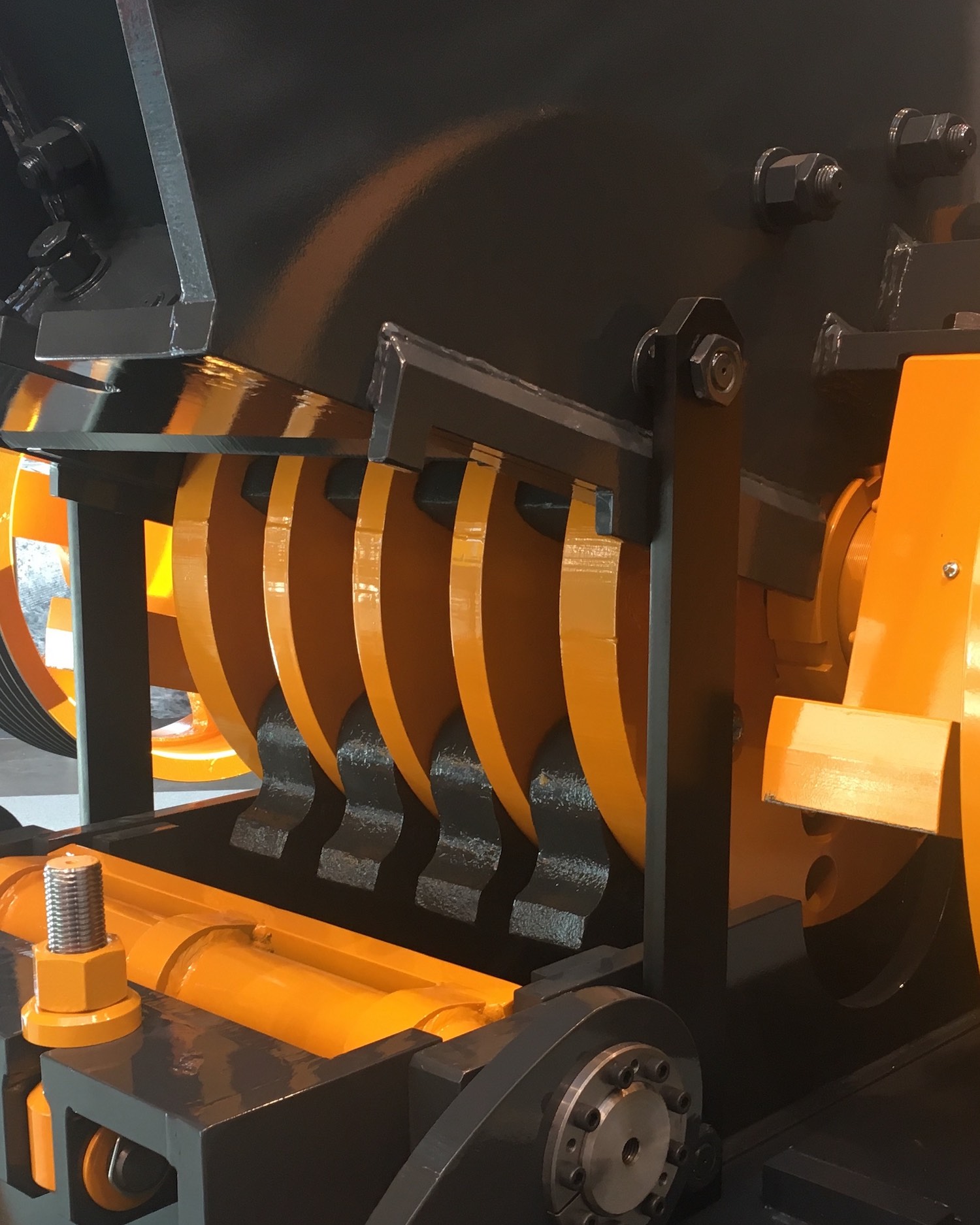


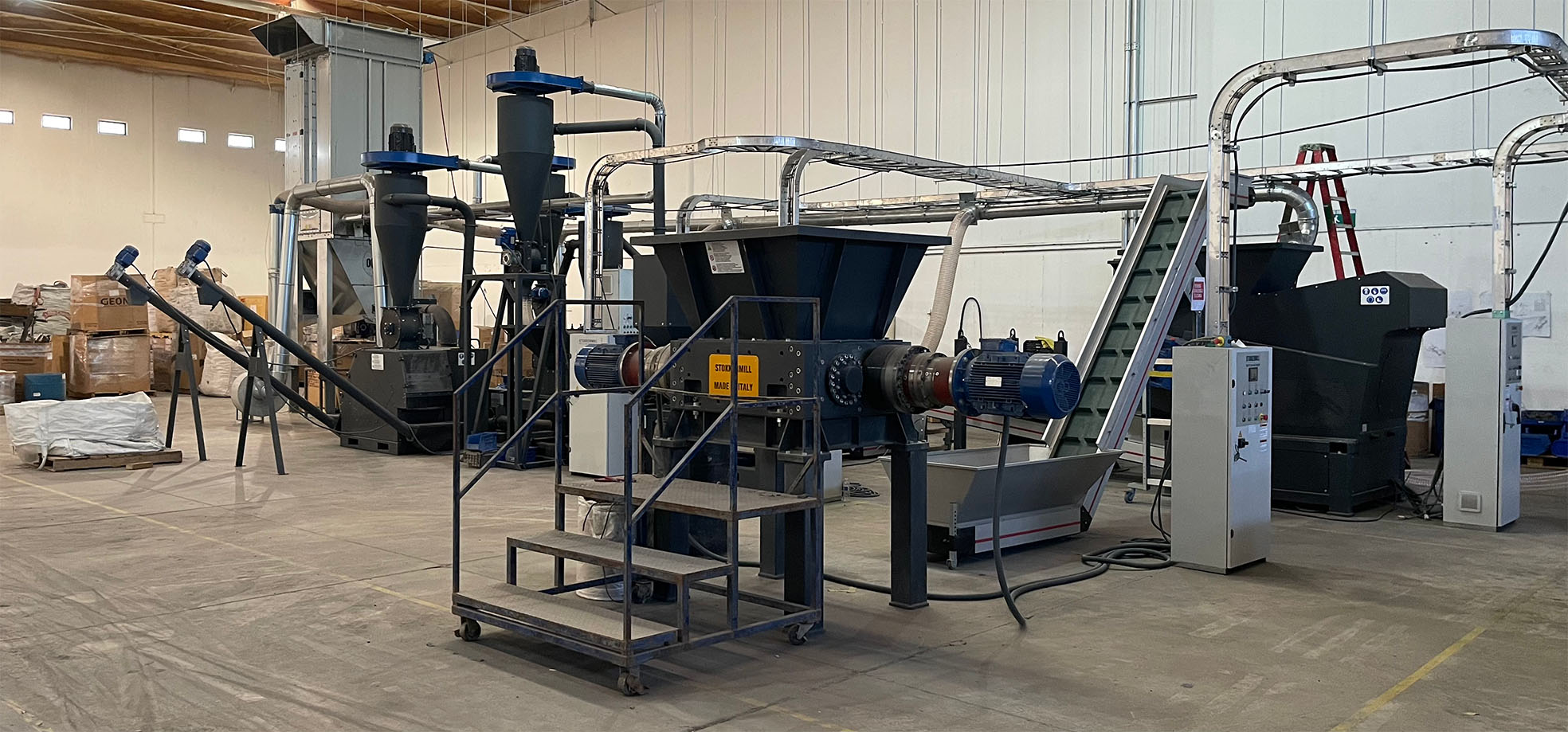

In the recycling of complex materials, particle size reduction is a critical step to properly separate the different components of a mixture and ensure downstream processes work effectively. The StokkermilLab chain mill is engineered for controlled crushing tests, providing precise insights into particle liberation and preparing materials for laboratory analysis.

Many composite materials contain strongly bonded components that must be separated prior to recovery or recycling operations. Without proper crushing, separation technologies cannot perform efficiently. The StokkermilLab lab chain mill enables particle size reduction, releases the individual material components, and prepares samples for subsequent separation steps—enhancing the accuracy and reliability of material testing.
The system uses a rotor fitted with chains that impact the incoming material, delivering controlled crushing and liberation of components. This process ensures each sample is uniform and representative, which is essential for precise analysis of composite materials and complex waste streams.
The StokkermilLab chain mill is used across a wide range of testing and research applications. It’s ideal for analyzing photovoltaic panels, electronic waste, electrical cables, and other complex composites. By efficiently crushing and liberating components, the mill supports recycling labs in sample preparation, streamlining the entire separation and material recovery workflow.
In summary, the StokkermilLab chain mill is an indispensable tool for materials analysis and recycling laboratories. Its precision in crushing and component liberation allows for uniform, representative samples, improving testing efficiency and delivering reliable results in complex material separation and recovery processes.