


We develop the best technologies for recycling materials to find innovative solutions for the energy and ecological transition
STOKKERMILL | SELTEK SRL © 2023 | P. Iva. IT02360630301 | Privacy | Terms










Silicon does not exist in nature in a pure form. What exists is silica—ordinary sand—an abundant and low-cost raw material.
To produce metallurgical-grade silicon, silica is reduced in an electric arc furnace at around 2,000 °C. To reach the purity required for photovoltaic cells, an additional refining step takes place in a Siemens reactor at approximately 1,100 °C.
Silicon inside a solar panel is not valuable because the raw material is scarce, but because it contains an enormous amount of embedded industrial energy and processing: extreme temperatures, controlled atmospheres, and highly specialized equipment. That context is essential for understanding what recycling can and cannot do.
No current photovoltaic recycling process—mechanical, thermal (low or high temperature), chemical, or hybrid—produces silicon pure enough to be reused in new solar panels.
This is not a technology gap waiting to be solved by better equipment; it is a physical constraint. Solar-grade silicon purity is achieved at 2,000 °C and 1,100 °C, conditions that cannot be recreated by simply delaminating encapsulants, separating laminates, or shredding end-of-life modules.
The same applies to glass: float glass used in new PV modules is produced from high-purity virgin raw materials in dedicated furnaces, not by remelting recovered panel glass.
Any company claiming to produce solar-grade silicon or module-quality glass directly from a recycling line is presenting a commercial narrative, not an industrial reality.
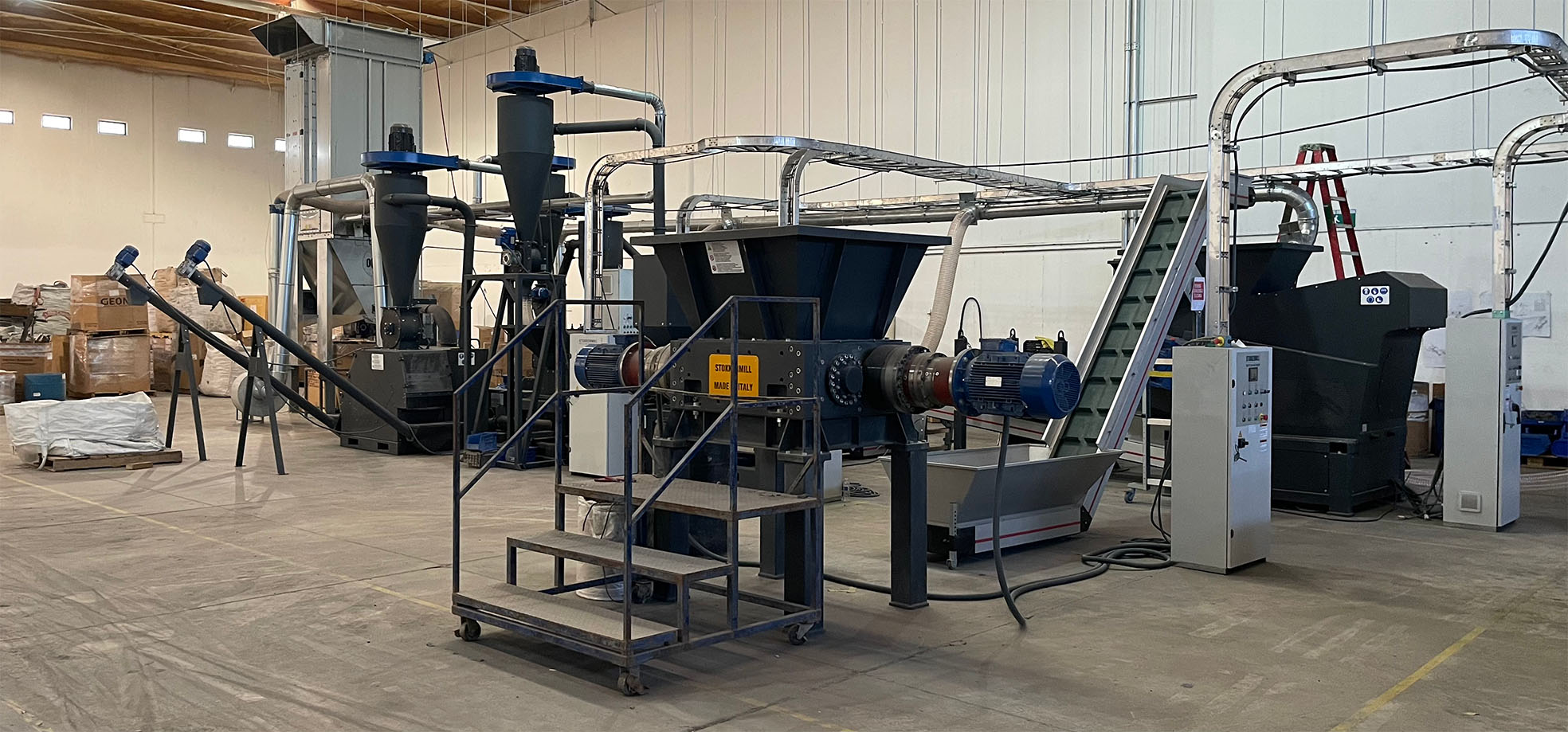
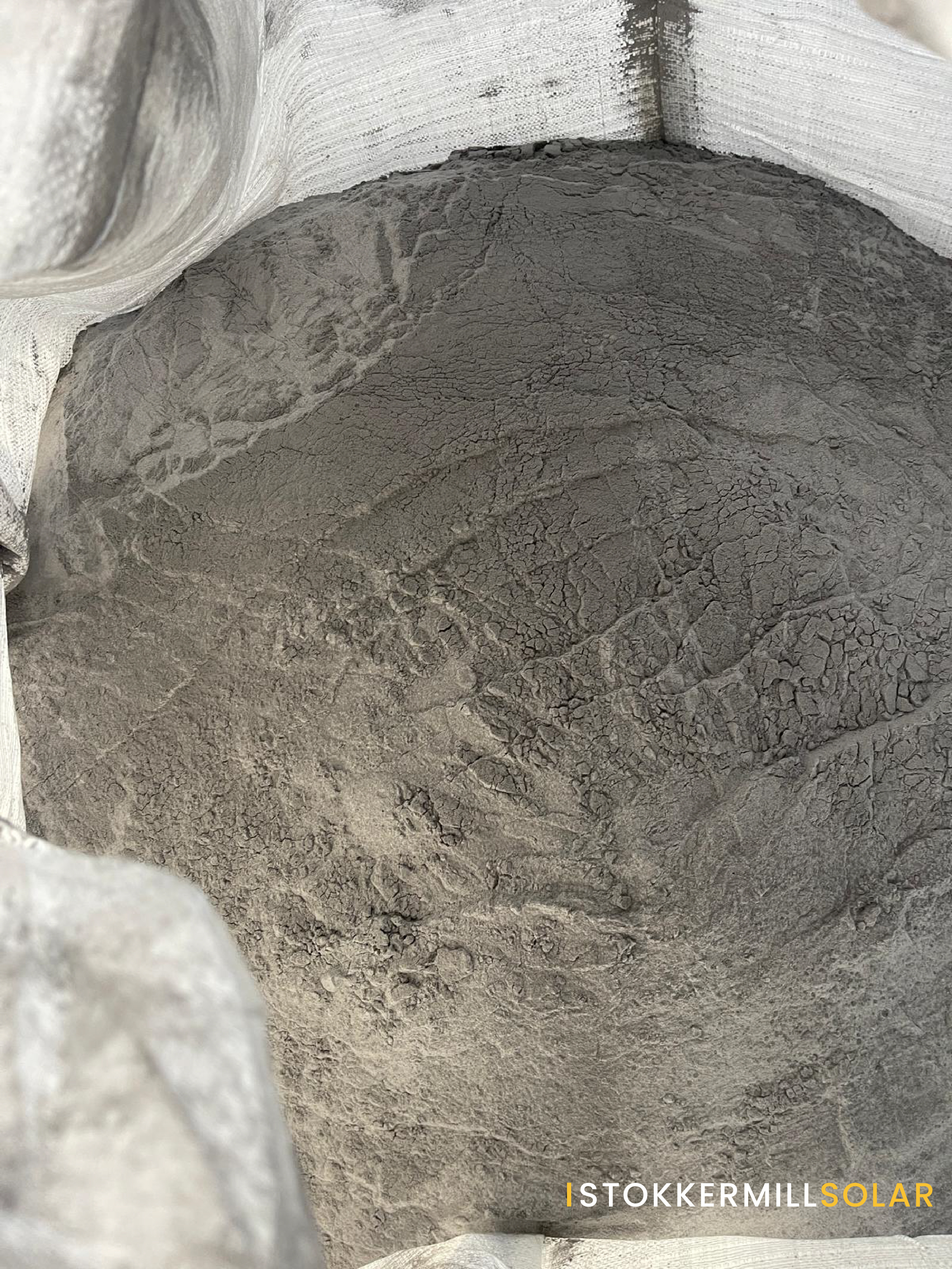
The output of an industrial PV recycling process, such as systems developed by Stokkermill, is a silicon concentrate: crystalline silicon mixed with silver from busbars, residual glass, and trace metals.
This is not a feedstock ready for new solar panels, but a concentrated fraction with real and measurable value, destined for downstream hydrometallurgical or metallurgical recovery.
The primary economic driver of this fraction today is silver. XRF analysis of processed material typically shows silver concentrations between 2,500 and 4,800 ppm. At these levels, silver recovery via hydrometallurgical processing is the main value stream.
Secondary value comes from tin, copper, and other metals present in smaller quantities. The silicon matrix itself currently acts as a carrier material, not a final product.
For operators designing or evaluating a PV recycling line, the economic model must be based on actual output streams—not theoretical material destinations.
Downstream hydrometallurgical processing to recover silver, tin, and copper is currently the primary profitability driver of the non-ferrous fraction.
Any business case that assigns high value to recovered silicon as a direct feedstock for new modules should be treated with caution.
The key question for the industry is simple: where does silicon concentrate actually go, and what value does it generate?
Today, the most realistic pathways are:
Research into upgrading recycled silicon back to solar-grade material is ongoing, but the energy required to rebuild that level of purity is not currently competitive with virgin silicon production from silica.
In the short term, hydrometallurgical recovery focused on silver remains the most economically viable route. That is where the real value is—and what an industrial recycling line actually delivers.
At Stokkermill, the approach is based on real process data rather than market-driven assumptions.