Recycling of photovoltaic panels: industrial solutions at IFAT 2026 | Stokkermill for the processing of end-of-life solar modules
Solar Panel Recycling Plants: An Integrated Mechanical Process
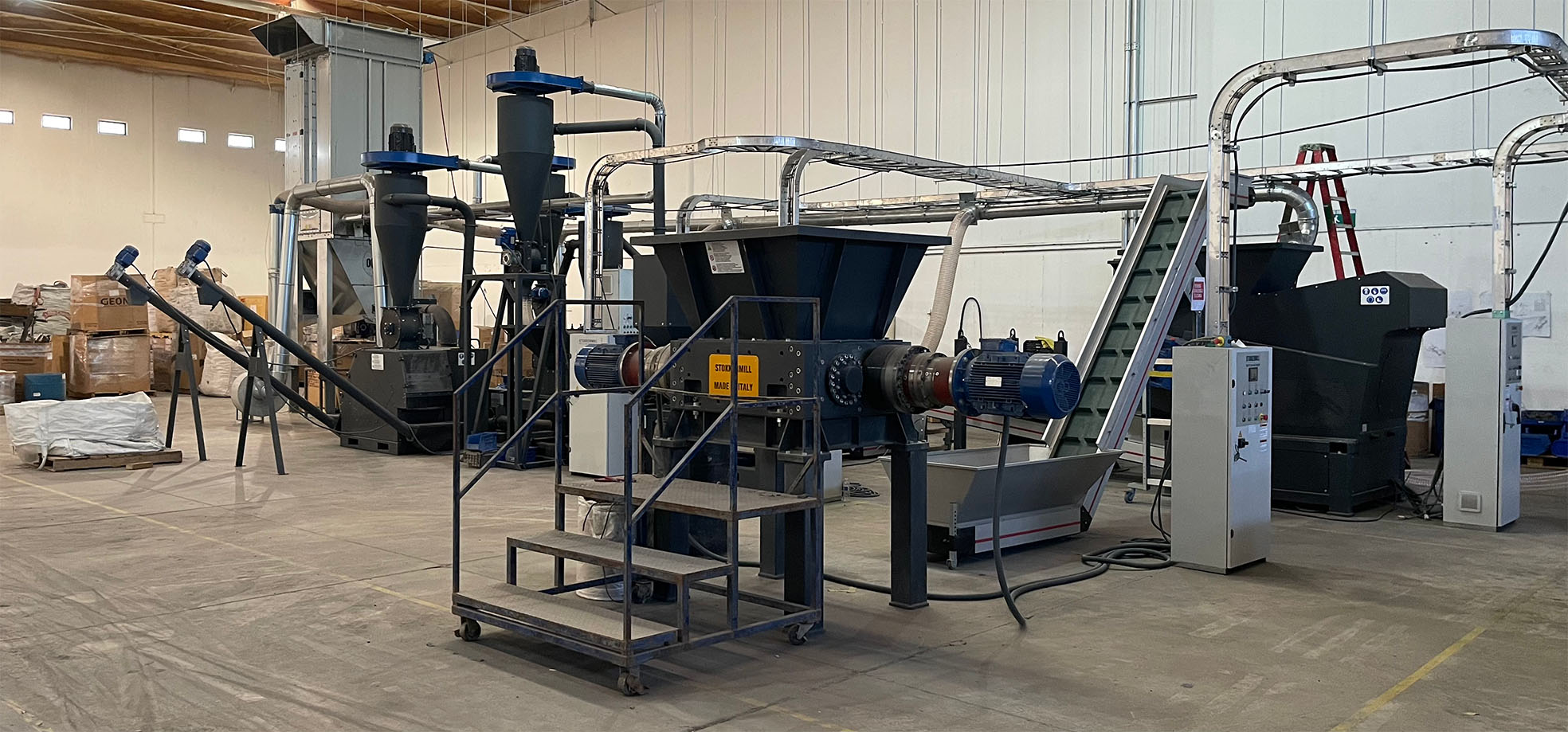
The solutions developed by Stokkermill are based on an integrated mechanical approach designed to process real-world solar modules, including damaged, unsorted panels or units coming from different application contexts.
One of the key differentiators of this process is the elimination of preliminary manual operations, particularly aluminium frame removal. Modules are processed directly, delivering significant advantages in operational efficiency, cost reduction, and process stability.
Mechanical Delamination of Photovoltaic Panels
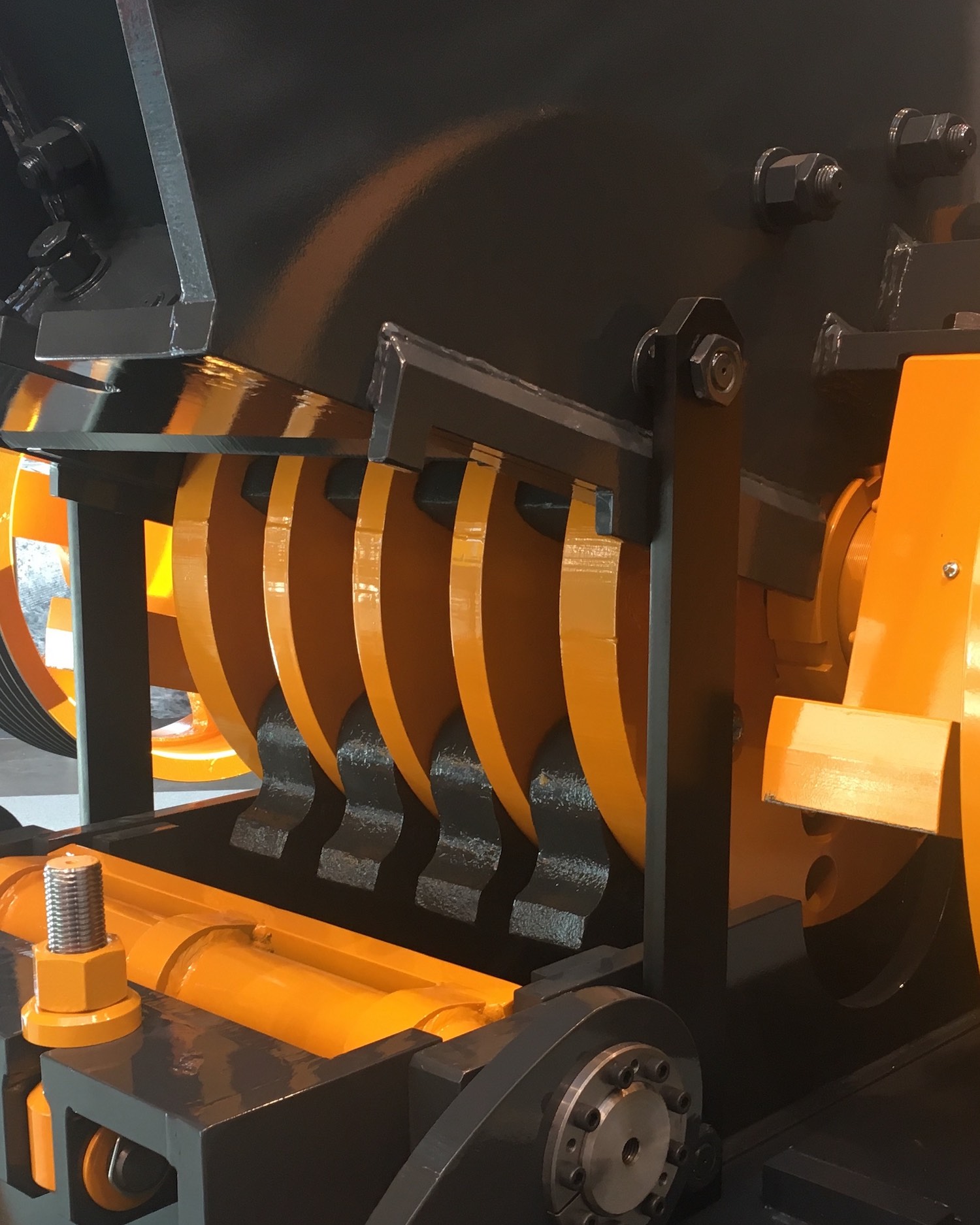
At the core of the process is mechanical delamination, which enables efficient separation of the different layers that make up a photovoltaic module.
Following this stage, a combination of refining and separation technologies allows the recovery of multiple material streams:
Aluminum, recovered in a form suitable for downstream industrial processing
Glass, separated into high-purity fractions
Polymer fractions (EVA and backsheet), free from significant contamination
Silicon-rich powder, also containing precious metals, intended for further recovery processes
The integration of advanced separation systems—such as eddy current separators, optical sorters, and density separation tables—further improves the quality of the output materials.
Scalable Plant Design for PV Recycling
Scalability is a core element in the development of these systems. Recycling plants can be configured based on required throughput and automation level, ranging from semi-automatic setups to fully automated processing lines.
This flexible approach allows operators to gradually scale their investment while aligning production capacity with evolving market demand.
Solar Panel Recycling: A Rapidly Growing Industrial Sector
Solar panel recycling is quickly becoming a structured industrial sector where reliability, operational continuity, and the quality of recovered materials are key success factors.
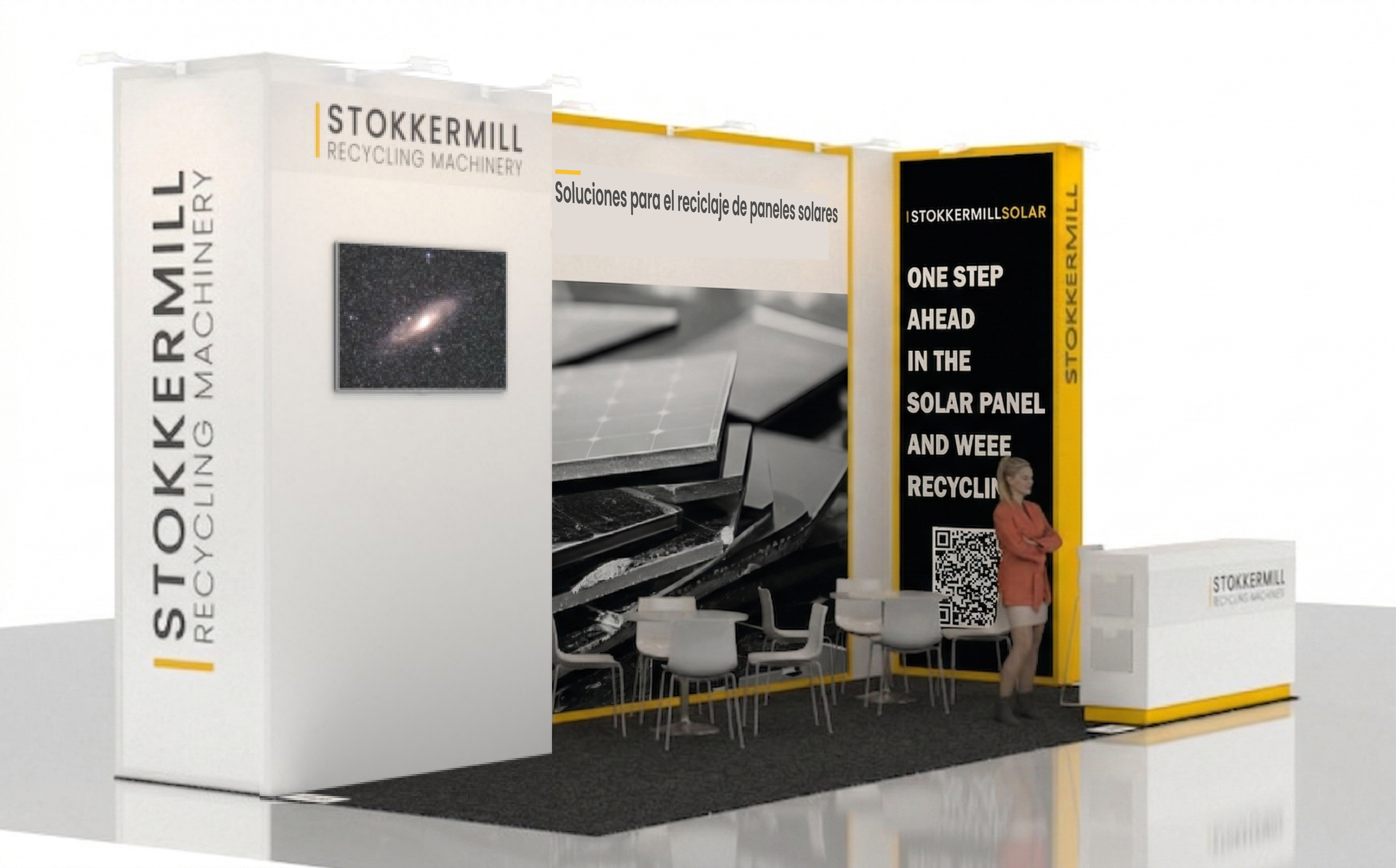
Participation at IFAT 2026 fits into this context, with the goal of presenting advanced technical solutions and engaging with industry operators and partners on real-world applications.
Upcoming Events: SRR Madrid and E-Waste World Conference Frankfurt
In the coming weeks, Stokkermill will also be exhibiting at:
These events provide further opportunities to explore developed technologies and discuss application-driven projects in real operational environments.
How are end-of-life solar panels recycled?
+
Solar panels are recycled through mechanical processes that progressively separate the different materials contained in the module. The main stages include size reduction, delamination, glass separation, aluminum recovery, metal fraction sorting, and treatment of silicon-rich powders.
Is it necessary to remove the aluminum frame before recycling a solar panel?
+
Not necessarily. Stokkermill systems are designed to process complete photovoltaic modules without prior manual removal of the aluminum frame. This simplifies the process, reduces processing time, and improves overall operational efficiency.
What materials are recovered from solar panels?
+
Solar panel recycling typically recovers glass, aluminum, copper, polymer fractions, EVA, backsheet, and silicon-rich powders. The exact composition depends on the type of module being processed and the plant configuration.
What is mechanical delamination in solar panel recycling?
+
Mechanical delamination is the process that separates the internal layers of a photovoltaic module, such as glass, EVA, cells, and backsheet. It is a key stage that enables the industrial recovery of the different material fractions within the panel.
Can the glass from solar panels be recovered?
+
Yes, glass is one of the main recoverable fractions from photovoltaic panels. Through separation and refining processes, the glass can be classified into different particle sizes and reused in industrial applications.
What does silicon-rich powder from solar panels contain?
+
The silicon-rich powder obtained from the recycling process may also contain traces of valuable metals such as silver and copper. This fraction is typically sent to specialized facilities for further metallurgical or chemical recovery.
Can solar panel recycling plants be fully automated?
+
Yes. Plants can be configured as semi-automatic or fully automated systems. Fully automated lines are suitable for continuous high-volume processing, while semi-automatic systems offer a scalable entry-level solution.
What is the difference between a semi-automatic plant and a fully automated solar panel recycling line?
+
A semi-automatic plant requires more operator intervention in certain stages of the process, while a fully automated line integrates advanced handling, separation, and control systems. The choice depends on processing capacity, budget, and the desired level of automation.