


We develop the best technologies for recycling materials to find innovative solutions for the energy and ecological transition
STOKKERMILL | SELTEK SRL © 2023 | P. Iva. IT02360630301 | Privacy | Terms







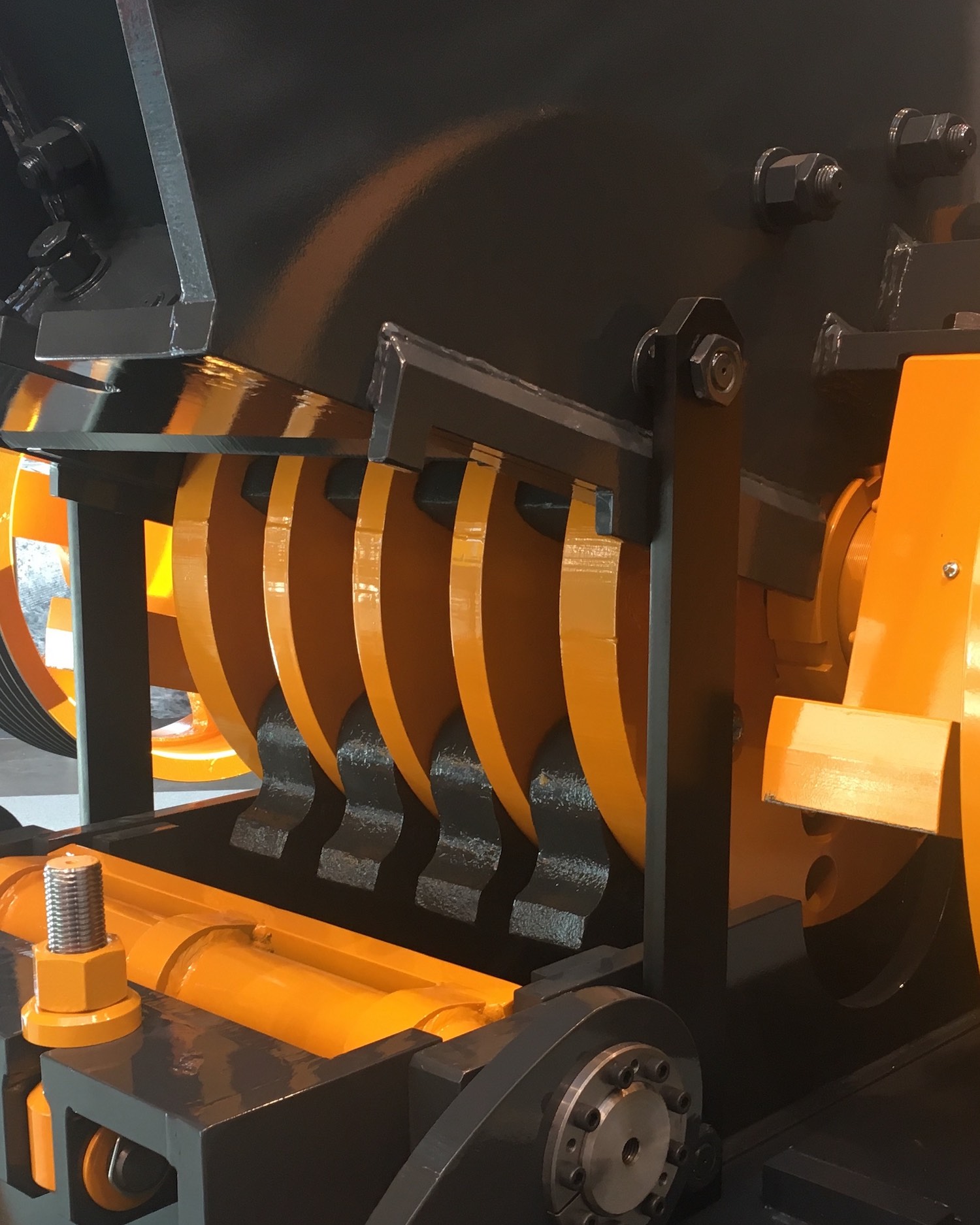


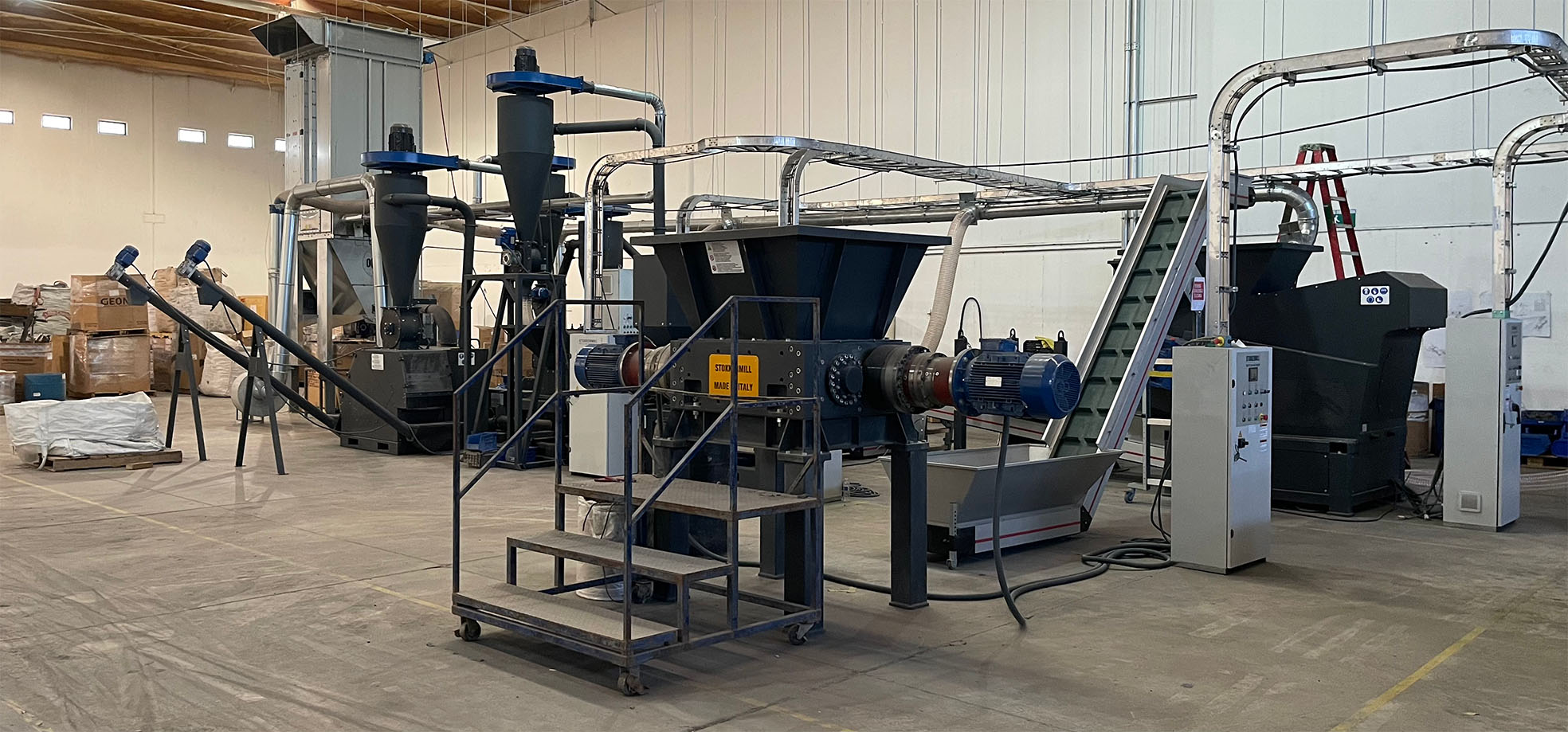

In the advanced recycling industry and secondary raw material recovery, research labs play a vital role in testing and validating new technologies before they’re scaled up for industrial use. Precision equipment in recycling labs allows scientists and engineers to analyze complex materials, gather technical data, optimize operational parameters, and reduce both technical and financial risks by simulating real-world processes under controlled conditions. According to Stokkermillab, using advanced lab technologies is a crucial step to ensure processes work effectively before full-scale implementation.
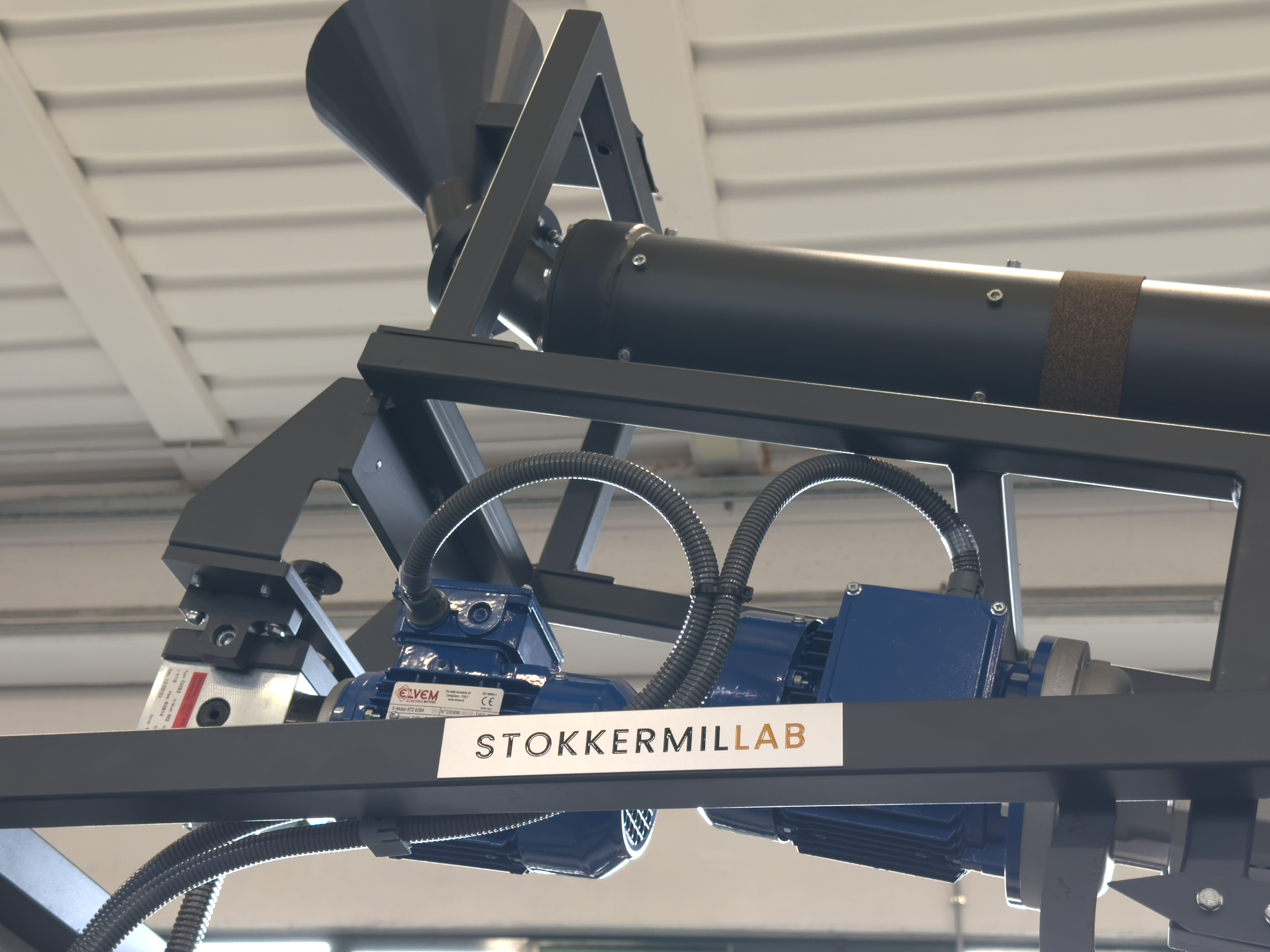
Recycling today’s materials — including electronic waste, batteries, engineering plastics, and other industrial scraps — requires increasingly sophisticated testing and separation techniques. Material separation labs enable repeatable scientific testing to understand the composition of different fractions and determine the most effective separation methods for each material type, helping design more efficient and sustainable industrial facilities. As noted by Stokkermillab, these lab activities reduce design uncertainties and improve overall plant performance.
Research labs in recycling use precision machinery to implement a variety of separation technologies. Size reduction through mills and shredders breaks materials into smaller particles, freeing the components of composite materials and preparing fractions for further testing. Granulometric classification, performed with screening systems such as circular screens, separates materials into precise size classes, improving the efficiency of downstream separation processes. Magnetic separation recovers ferrous metals, while eddy current separators isolate non-ferrous metals like copper and aluminum by using variable magnetic fields. Finally, electrostatic separation is an advanced method that differentiates materials with different electrical properties, such as metals and plastics, enhancing the purity of recovered fractions and optimizing the recycling workflow, as also highlighted by Stokkermillab.
Using precision equipment in recycling labs, like that offered by Stokkermillab, allows processes to be tested and fine-tuned safely and efficiently, cutting risks and costs before committing to full-scale plants. With controlled experiments, detailed fraction analysis, and advanced separation technologies, labs improve the quality and purity of recovered materials, boost the economic value of secondary raw materials, and support the development of industrial processes that are more sustainable, reliable, and high-performing.