


We develop the best technologies for recycling materials to find innovative solutions for the energy and ecological transition
STOKKERMILL | SELTEK SRL © 2023 | P. Iva. IT02360630301 | Privacy | Terms







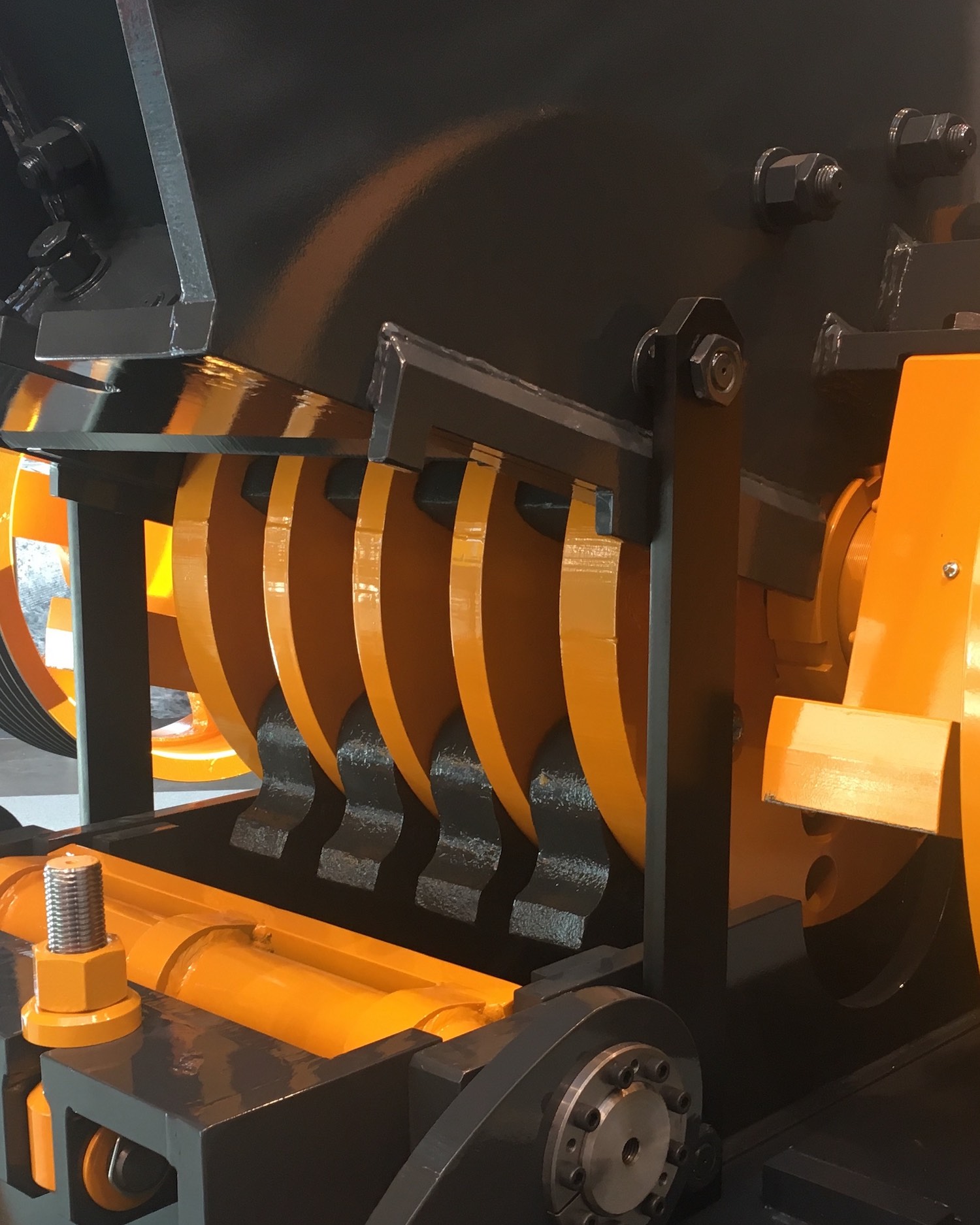


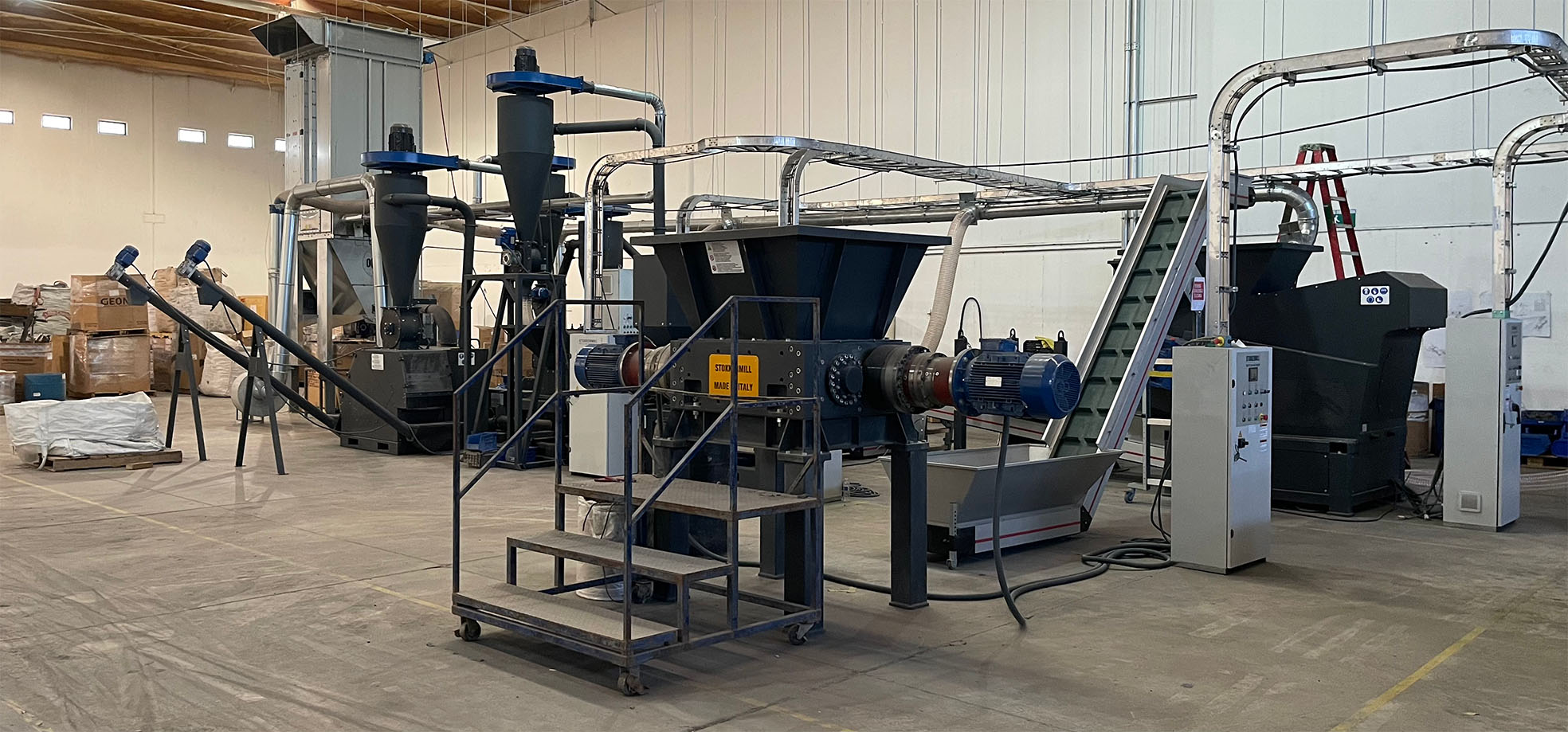


In the U.S. photovoltaic (PV) recycling sector, the rising volume of end-of-life (EOL) solar modules is driving a fundamental shift in traditional processing approaches. Among these, mechanical frame removal (de-framing) is still widely used, but it shows clear limitations in productivity, output quality, and scalability.
A technical review of industrial recycling workflows demonstrates that this approach is increasingly misaligned with the needs of a fast-growing U.S. market, which is moving toward highly automated, high-throughput, and cost-efficient systems.
Stokkermill Solar develops and deploys an integrated processing approach in which the entire solar panel is treated as a single feedstock unit. This enables simultaneous optimization of material recovery streams and overall plant performance.
Frame removal-based systems represent a legacy operating model that remains common across many U.S. recycling facilities, but comes with structural drawbacks:
In a U.S. industrial environment increasingly driven by automation, safety compliance, and standardized output specifications, this approach is becoming less competitive and harder to scale.
The evolution of PV recycling technology in the U.S. is being shaped by the integration of density-based separation systems, optical sorting platforms, and eddy current separation technology.
Stokkermill systems enable:
The result is a continuous, stable, and industrial-grade processing line optimized for modern recycling facilities.
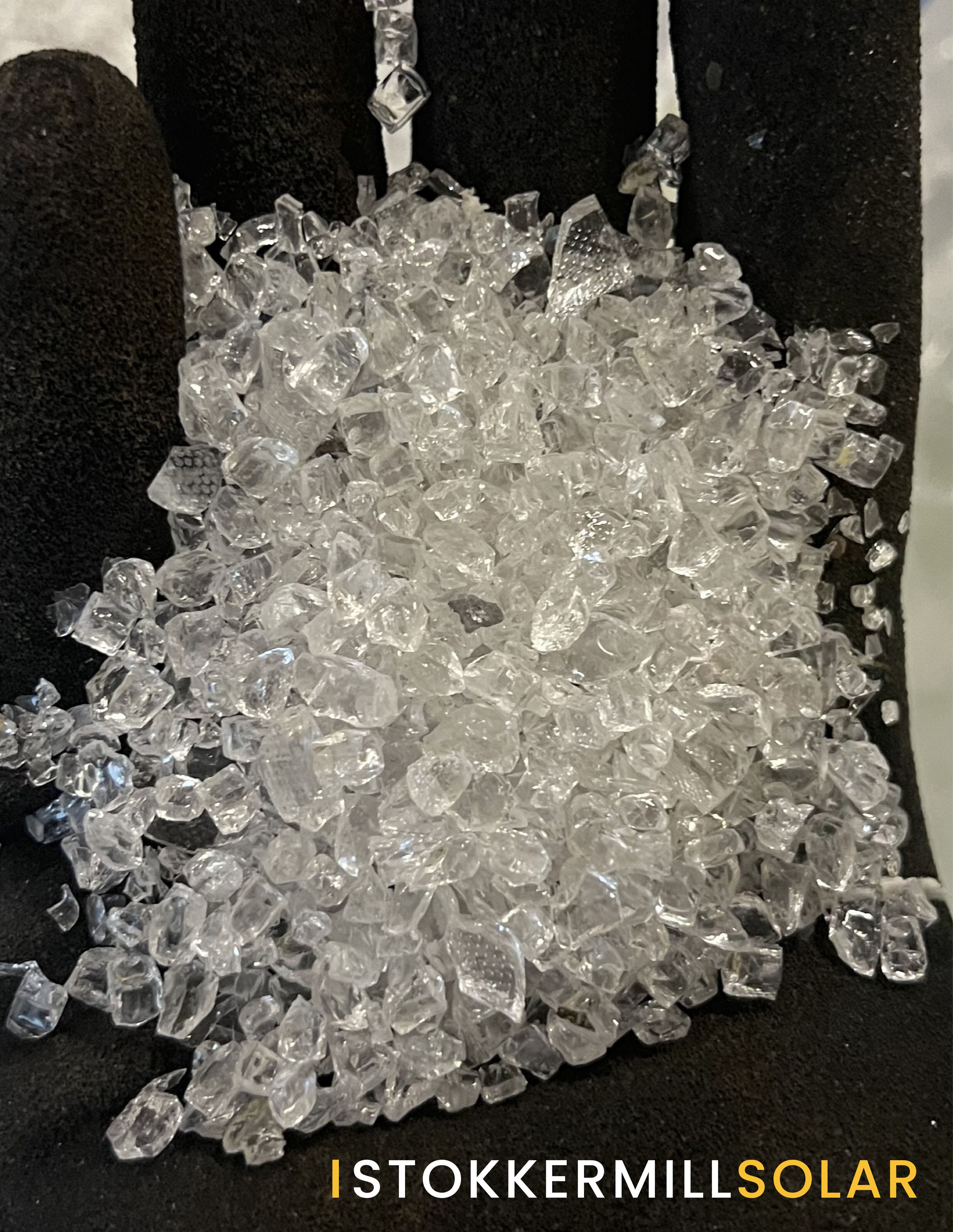
A critical output stream in PV recycling is recovered glass, which represents one of the highest-value recyclable fractions in a solar module.
In Stokkermill Solar’s integrated processing systems, glass is carefully liberated and controlled through multi-stage separation, enabling:
The combination of advanced optical sorting and eddy current separation technologies enables glass fractions with very high purity levels, typically above 90–95%, and in optimized configurations approaching near-metal-free output. This makes the material suitable for downstream reuse in glass manufacturing and other high-value industrial applications.
In contrast, manual and semi-manual processes common in some facilities do not provide consistent impurity control, directly affecting both material quality and resale value in the U.S. recycling market.
From an operational standpoint, Stokkermill’s integrated approach addresses key bottlenecks found in traditional manual recycling lines.
A modular entry-level system can achieve processing capacities of approximately 80–100 panels per hour, supporting:
By streamlining process stages and integrating advanced automation, energy losses typical of manual or fragmented recycling systems are significantly reduced.
This results in a processing model that aligns with industrial-scale U.S. recycling requirements, making it both scalable and economically sustainable over time.
The U.S. solar recycling market is expected to expand rapidly over the coming years, driven by accelerating solar panel retirements and regulatory pressure around circular economy practices.
In this context, technology selection becomes a critical factor in determining competitiveness, compliance, and long-term profitability.
The adoption of advanced, automated recycling systems is no longer optional—it is a fundamental requirement for operating effectively in an increasingly structured and performance-driven U.S. PV recycling industry.
29/04/2026