


We develop the best technologies for recycling materials to find innovative solutions for the energy and ecological transition
STOKKERMILL | SELTEK SRL © 2023 | P. Iva. IT02360630301 | Privacy | Terms










In U.S. testing labs, it’s critical to determine the amount of ferrous material in a mixed waste stream and understand how it can be efficiently recovered. Using lab-scale magnetic separation equipment allows for highly accurate analysis of ferrous metal content, improves the purity of recovered fractions, and helps optimize the performance and layout of industrial recycling operations. With repeated testing, labs can develop effective strategies to boost recovery rates and ensure the quality of recyclable materials.
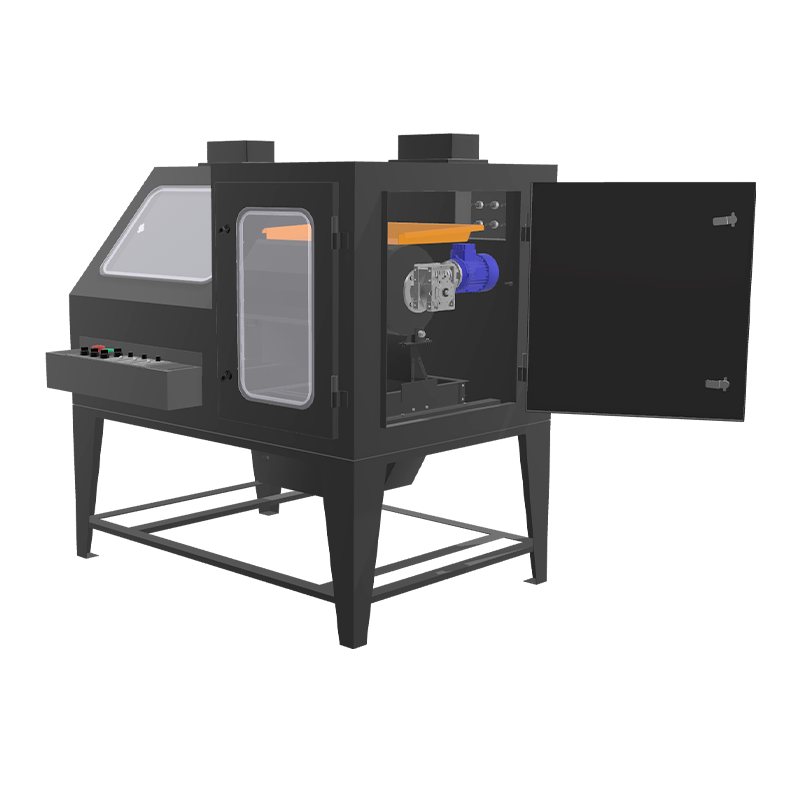
StokkermilLab magnetic separators operate by using a magnetic field to attract ferromagnetic materials. When a material stream passes near the magnetic system, ferrous particles are pulled out while non-magnetic materials continue flowing without interruption. This approach provides fast, reliable, and precise separation, making lab tests extremely effective and allowing small-scale simulation of industrial recycling processes.
StokkermilLab magnetic separators are widely used to analyze materials from electronic waste (e-waste), shredded scrap metal, industrial processing residues, and demolition debris. These tests help estimate the ferrous metal recovery potential and support the development of more efficient recycling strategies, contributing to sustainable and innovative material recovery processes.
Thanks to their precision and the ability to simulate different operational setups, StokkermilLab magnetic separators are indispensable in U.S. labs focused on ferrous metal research and recycling. They improve recovery efficiency, increase the purity of recovered materials, and support innovation in recycling technologies, making them a key resource for professionals developing sustainable industrial processes.