










When evaluating a new electrical cable recycling plant, the first question is often: how many pounds (or kilograms) per hour can it process? Throughput is a fundamental parameter, but on its own it is not enough to choose the most suitable line.
Sizing a cable recycling plant also depends on the type of input material, the composition of the batches, the presence of contaminants, the operating hours and the quality of the fractions to be recovered. Two plants designed to process 1,000 kg/h (about 2,200 lb/h) may in fact require different technology configurations.
To choose the right line, you need to start from the material to be processed and define the process required to achieve the desired result.
1. Cable type: the first parameter for sizing a cable recycling plant
Not all electrical cables behave the same way during recycling. A power cable with a high copper content has different characteristics from a data cable with thin conductors. An automotive wiring harness may contain numerous connections, while an armored cable introduces additional metal components. Cables from e-waste processing may also have variable compositions, small-section wires, connectors and foreign materials.
Before sizing a cable recycling plant, it is therefore necessary to assess:
- cable type and cross-section;
- indicative percentage of copper, aluminum and plastic;
- characteristics of the insulating materials;
- presence of armor, iron and other contaminants;
- uniformity and variability of batches;
- quantity of material available.
This information helps define the shredding, granulation, refining and separation requirements. Without an analysis of the input, the declared capacity in kg/h remains incomplete data.
2. Capacity in kg/h: how much material is actually processed?
The capacity of a cable recycling plant is generally expressed in kilograms of input material per hour. This value does not correspond to the quantity of copper or aluminum recovered.
The yield depends on the composition of the batch: for the same amount of material fed, a copper-rich stream has a different metal recovery potential from a batch made up mainly of insulation and thin conductors. The geometry, density, particle size and stiffness of the material also influence its behavior during the size reduction and separation stages.
To assess a cable recycling plant correctly, three parameters need to be distinguished:
- Processing capacity: quantity of material fed, expressed in kg/h.
- Recovery rate: quantity of metal recovered compared with the amount present in the input material.
- Output purity: quality of the fraction obtained, in relation to the presence of foreign materials.
These indicators are linked, but not equivalent. A correctly sized plant must ensure throughput suited to the available material and produce fractions that meet the specifications required by the market.
3. Which technologies does a cable recycling line need?
The configuration of a Cable line must be defined according to the characteristics of the material and the recovery targets. For some relatively homogeneous streams, a sequence of granulation and density separation may be sufficient. Other materials may require additional stages to improve feed regularity, complete metal liberation or remove contaminants.
The main technologies to consider include:
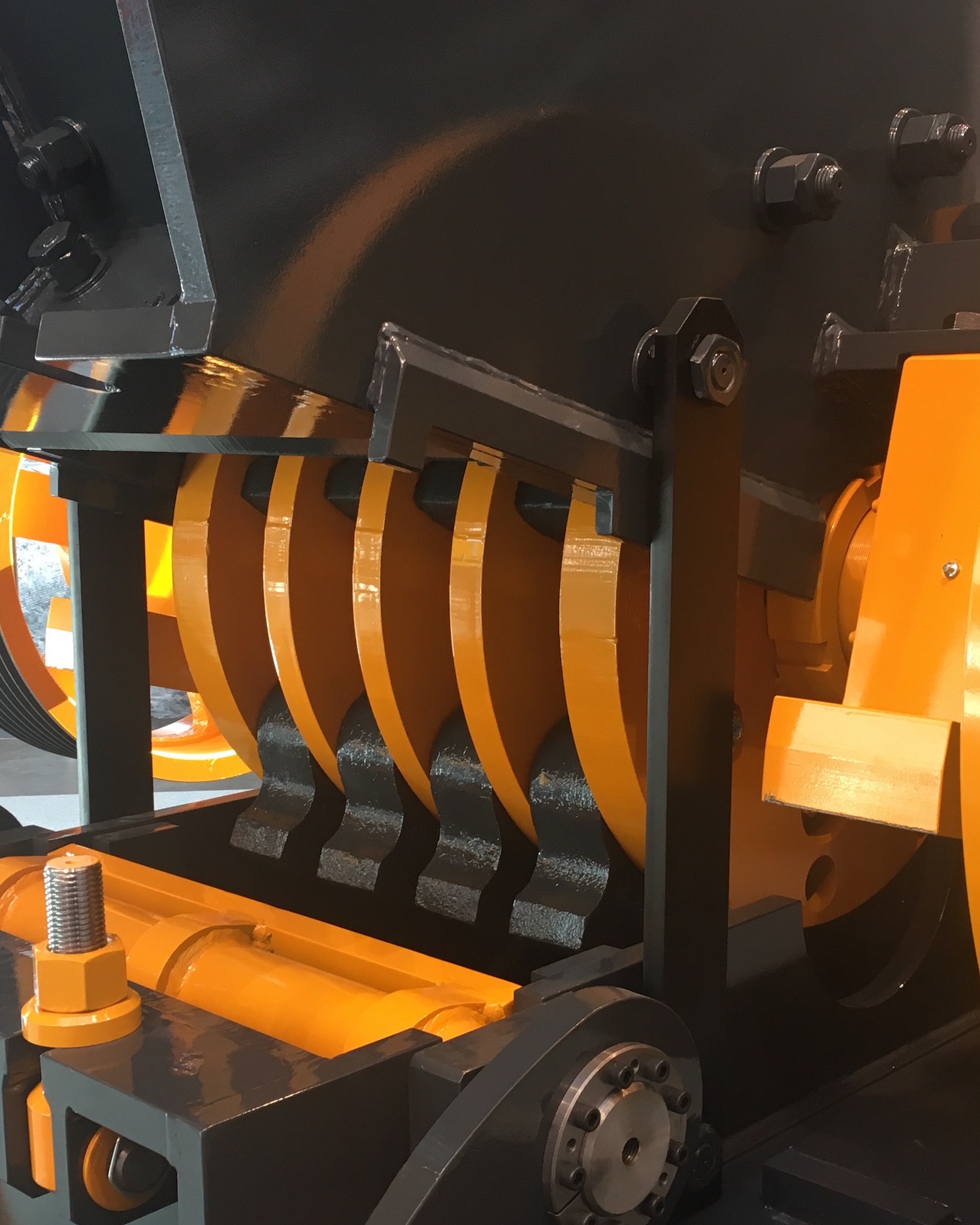
- Pre-shredding: can regulate the feed and prepare the material for the following stages.
- Granulation: reduces the size of the material and helps liberate the conductors from the insulating materials.
- TURBO refining: can improve the liberation of metal fractions when the material requires more thorough treatment, for example in some streams of thin wires and data cables.
- Magnetic separation: removes ferromagnetic fractions, depending on the line configuration.
- Density and Zig-Zag separation: separates the fractions according to their physical characteristics.
- Additional technologies: electrostatic systems, optical sorting or further separation stages can be considered for specific requirements.
The presence of iron, steel, connectors and other foreign materials can affect both the plant configuration and the quality of the recovered fractions.
Not every line needs all these technologies. Each additional stage must meet a concrete need, taking into account investment, energy consumption, maintenance and available space. There is no universal sequence: there is a configuration to be designed according to the input and the required output.
4. How to choose the capacity of an industrial cable recycling plant
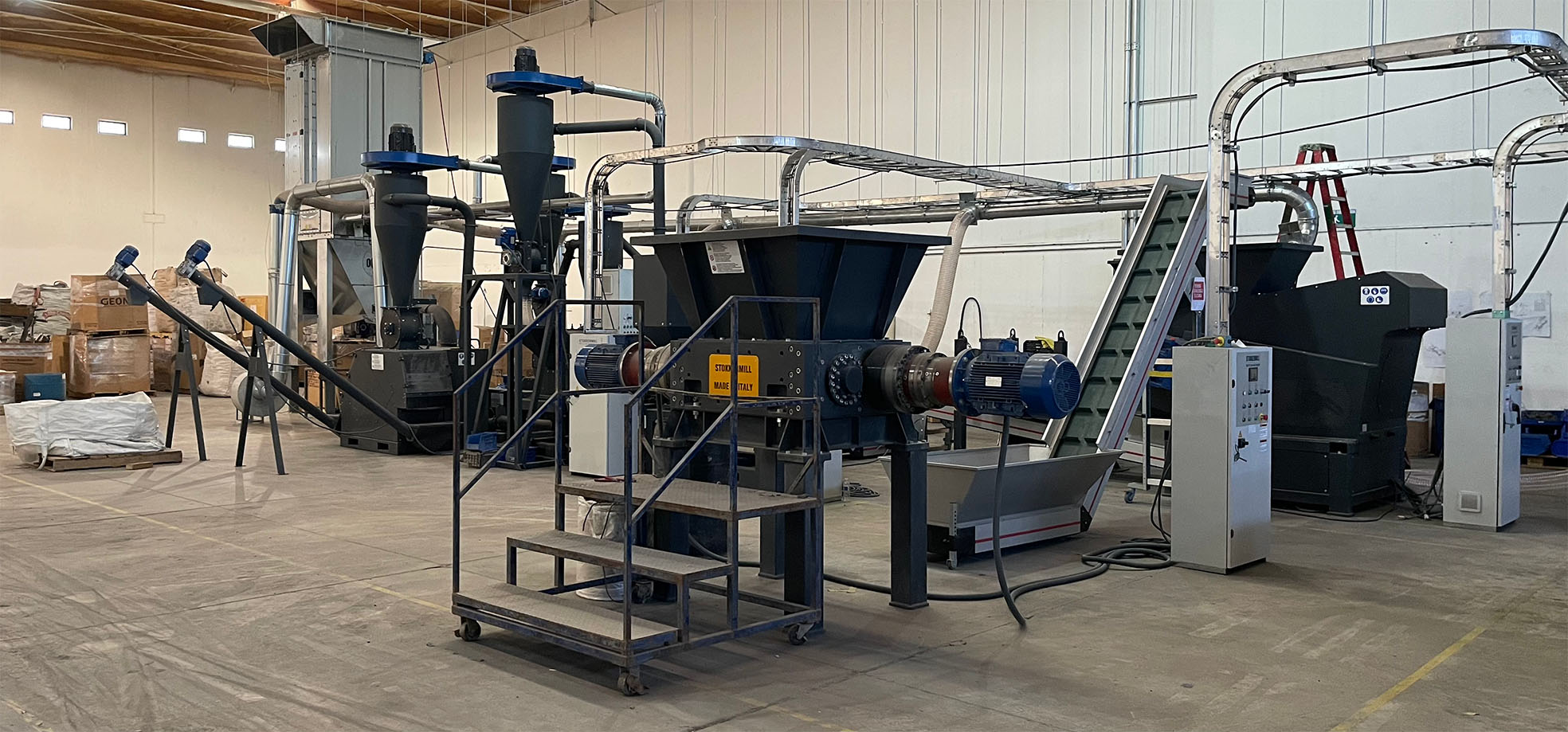
When the required throughput increases, installing a bigger granulator is not enough. The entire line must be sized to sustain the material flow. Feeding, pre-shredding, conveying, granulation, refining, separation and fraction handling must work in balance. If a single stage becomes a bottleneck, the nominal capacity of the other machines does not guarantee the same throughput for the whole plant.
It is also necessary to consider the quantity of material actually available. To estimate the capacity required, you need to know:
- metric tons of cable available per day or per year;
- operating days and hours;
- number of shifts;
- planned stoppages and maintenance;
- variability of deliveries;
- storage options;
- future growth in volumes.
For example, a company that needs to process 4,000 metric tons (about 4,400 US tons) a year in 2,000 production hours has a theoretical average requirement of 2,000 kg/h (about 4,400 lb/h). The nominal capacity of the plant must then be assessed taking into account real operating conditions and the characteristics of the material.
5. Stokkermill Cable solutions for cable recycling
Stokkermill builds industrial plants for recycling copper and aluminum cables, with configurations that can integrate Multi-Flex Turbo Zig-Zag granulators, PS or CSR pre-shredders, conveyors and magnetic separation systems.
The indicative capacities of the Cable range go from around 400 kg/h (880 lb/h) to over 3,000 kg/h (6,600 lb/h), while larger configurations can be developed on specific request. Actual performance must be assessed in relation to the material processed and the line architecture.
The goal is not to choose the machine with the highest nominal capacity, but to size a plant capable of sustaining the required throughput with a stable, efficient process.
6. Copper and aluminum purity: why recovery matters too
Sizing a cable recycling plant does not end with defining its hourly capacity. You also need to establish which fractions must be obtained and what characteristics they must have. Targets may include copper recovery, aluminum recovery, reducing impurities in the metal fractions and limiting metal losses in the plastic fraction.
Purity and recovery rate are two distinct parameters. A very pure copper fraction does not automatically guarantee that all the copper in the input material has been recovered: part of the metal may remain attached to the plastic or to other waste fractions. For this reason, the process assessment must consider both the quality of the metals obtained and the losses of recoverable material.
Even when copper and aluminum need to be separated into distinct streams, the configuration must be defined according to the composition of the batch and the output specifications. Defining the desired result before choosing the machines makes it possible to design a process consistent with the industrial objectives.
7. Modularity: designing a cable recycling plant that can evolve
The composition of the materials and the volumes to be processed can change over time. New suppliers, different cable types and new market requirements may call for changes to the process. A modular plant makes it possible to consider integrating additional stages when quantities increase or the characteristics of the material change.
Modularity does not mean oversizing the line from the start, but considering future developments right from the design stage, checking compatibility, available space and the capacity of the recycling machines.
8. What information do you need to request a quote for a cable recycling plant?
To identify the most suitable configuration, it helps to prepare five pieces of information before the technical discussion with Stokkermill:
- Material: which types of cable will be processed?
- Composition: what are the indicative percentages of copper, aluminum, plastic and other materials?
- Quantity: how many metric tons are available and how many hours will the plant need to run?
- Contaminants: are iron, armor, connectors or other foreign materials present?
- Output: which fractions must be recovered and what purity levels are required?
Photos, actual samples and composition analyses can help make the assessment more precise. The more accurate the information on the material and production targets, the more targeted the line design can be.
9. Stokkermill at ECOMONDO 2026: starting from the material, not just from kg/h
On November 3–6, 2026, Stokkermill will be at ECOMONDO in Rimini, Italy, to meet operators interested in technologies for recycling and recovering metals.
For anyone evaluating a new Cable line or looking to improve an existing cable recycling plant, the technical discussion can start from the type of material, the quantities available, the contaminants and the quality of the fractions to be obtained.
The right question is not just “Which machine should I buy?” but “What is the most suitable process for turning this material into the fractions I want to recover?”
Contact Stokkermill to discuss your facility’s requirements and assess the Cable configuration best suited to your production goals.
10. Frequently asked questions about cable recycling plants
How many kg/h can a Stokkermill cable recycling plant process?
The industrial configurations of the Cable range cover indicative capacities from around 400 kg/h (880 lb/h) to over 3,000 kg/h (6,600 lb/h). Higher-capacity solutions can be developed on request, depending on the material and the configuration.
Does the capacity in kg/h correspond to the copper recovered?
No. Capacity generally indicates the quantity of input material per hour. The quantity of copper recovered depends on the composition of the batch and the efficiency of the separation process.
Is a pre-shredder always needed to recycle cables?
No. It depends on the cable type, the geometry of the material, the required capacity and the line configuration.
When is a TURBO refiner useful in cable recycling?
It can be useful when the liberation of the conductors needs to be completed, for example in some streams of thin wires and data cables. Whether it is needed depends on the characteristics of the material and the output quality required.
How do you choose the right capacity for a cable recycling plant?
You need to assess the metric tons available, production hours, material characteristics, contaminants and output quality. Nominal capacity must be chosen taking real operating conditions into account.
What information do you need to request a quote for a cable recycling plant?
Useful information includes the cable type, indicative composition, available volumes, operating hours, contaminants and the characteristics of the fractions to be recovered. Photos and samples can improve the technical assessment.
10/26/2026