


We develop the best technologies for recycling materials to find innovative solutions for the energy and ecological transition
STOKKERMILL | SELTEK SRL © 2023 | P. Iva. IT02360630301 | Privacy | Terms







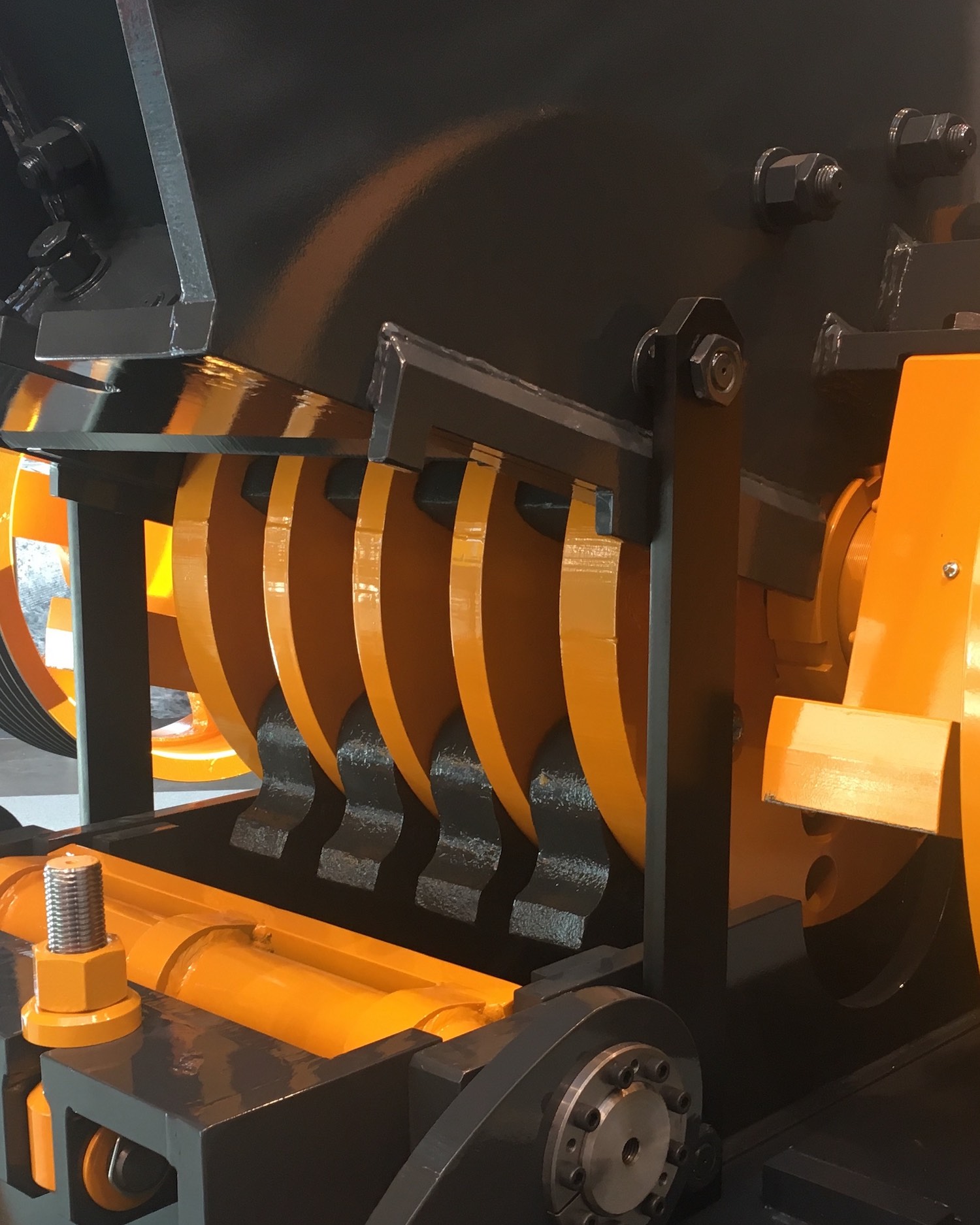


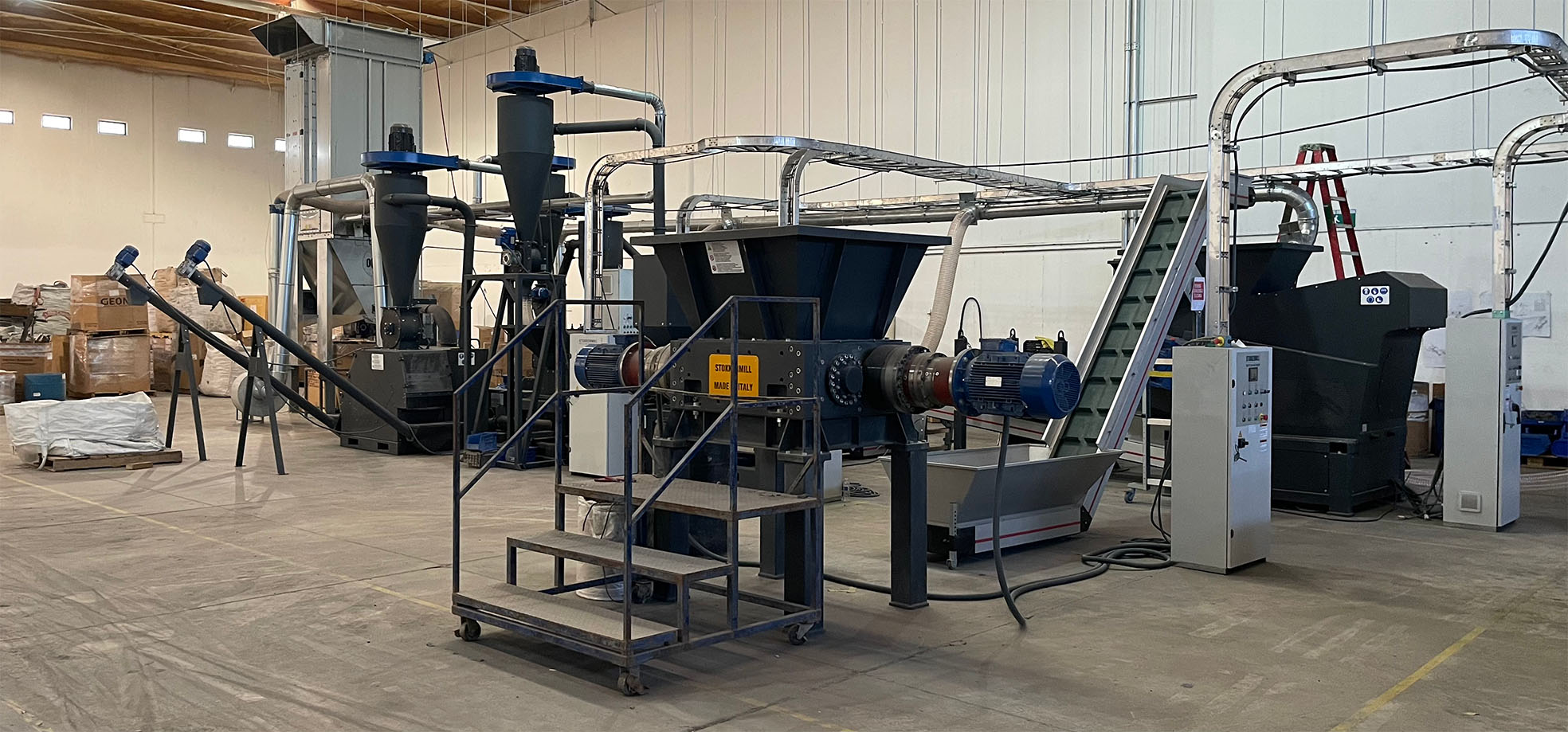

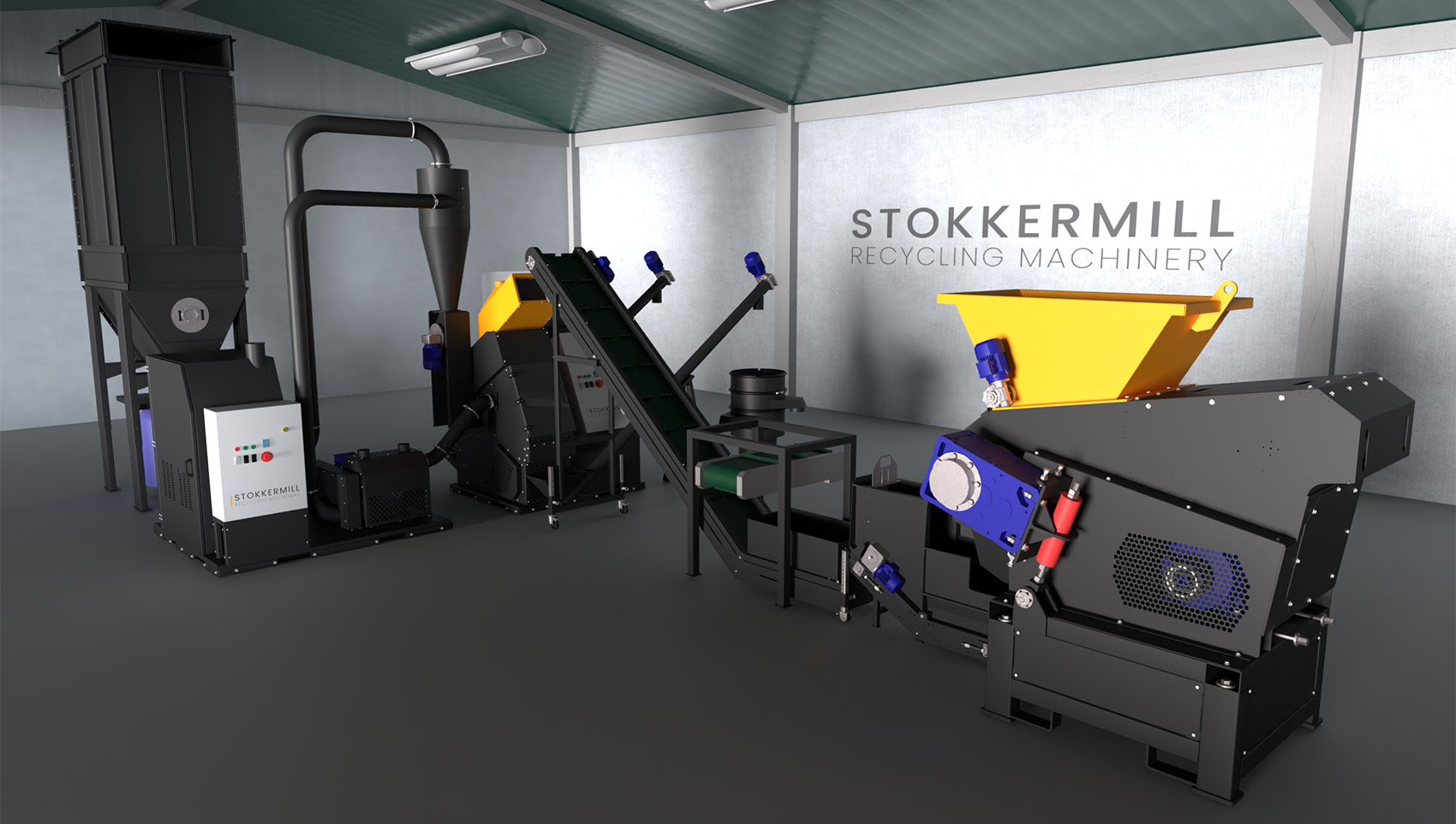
More and more customers ask us what truly sets our electrical cable recycling systems apart from other solutions available on the market.
It is a straightforward question, but the answer is not always as simple. Every company evaluates an investment based on its own production goals, operational requirements, and business priorities.
For us, a brand is not something that is simply communicated — it is something that must be proven. It is demonstrated through real installations, through the people who design, manufacture, and support the technology every day, and not through sales promises. This is why we believe it is essential for customers to see our equipment in operation, meet the Stokkermill team, and experience firsthand what our name represents.
This approach is even more important in today’s global market, where European and Italian engineering excellence is often compared directly with solutions manufactured in Southeast Asia, despite being based on very different industrial cultures and technical approaches.
There is no doubt that China has become a global leader in electrical equipment manufacturing. However, this achievement is largely the result of targeted industrial policies and major investments in strategic high-tech sectors. The specialized field of metal recycling equipment is different. In this sector, European manufacturers — and Italian companies in particular — continue to stand out for their engineering expertise, process innovation, and manufacturing quality.
In the market for electrical cable recycling systems and metal recovery equipment, becoming a global benchmark has never been about making impressive claims. It is about delivering measurable and realistic performance.
In this industry, it is easy to advertise extremely high production rates based on ideal laboratory conditions or “standard cables” with unrealistic copper content. However, anyone operating a recycling facility knows that real-world production conditions are very different.
At Stokkermill, we have always chosen a different approach: industrial integrity.
In our technical specifications, we provide only realistic production capacities based on actual operating conditions — not theoretical maximum values achieved under ideal circumstances.
We consider three critical factors that are often overlooked in commercial communication within the industry.
The first is the variability of the input material. A recycling system never processes a perfectly uniform material stream. It must handle different types of cables, from rigid power cables to fine wires, each with different characteristics that directly affect recovery rates and overall performance.
The second factor is scheduled maintenance. Every industrial system requires proper maintenance intervals. These periods must be included when calculating real productivity and cannot simply be ignored.
The third factor includes material handling, loading, and preparation activities before and after the granulation process. These operations have a direct impact on total system efficiency, just as much as the separation process itself.
Providing realistic performance data allows customers to plan their investment with confidence and understand exactly what results they can expect once the system is commissioned.
Transparent performance data is the foundation. However, true market leadership is built on more than 30 years of research, development, and continuous technological improvement.
Our philosophy is based on four fundamental pillars.
Industry-leading separation performance. High copper granulate purity and maximum recovery of valuable metal fractions are the result of continuous development in our process engineering. This is not a one-time achievement but an ongoing commitment to technological improvement. Stokkermill was among the first companies to introduce the Turbo Unit and Zig-Zag Separator into cable recycling systems — technologies that have become recognized references in the industry. For specific applications, we also design systems that eliminate traditional knife mills by using advanced size-reduction technologies.
Custom-engineered recycling solutions. Stokkermill does not simply sell catalog equipment. Every recycling system is engineered around the customer’s actual requirements, considering the type of material processed, required throughput, and the industrial environment where the equipment will operate.
100% European premium components. We select only high-quality components, including SKF bearings, ROSSI gearboxes, and electrical components from Siemens, ABB, and Telemecanique. We make no compromises on reliability and durability because component quality directly affects long-term system performance and uptime.
Global technical support and after-sales service. Our international service organization provides rapid technical assistance worldwide, helping customers maintain reliable operation even when equipment is installed thousands of miles from our headquarters.
Producing high-quality secondary raw materials requires technology that is reliable, transparent, and engineered for long-term industrial operation.
This technology must be seen in action, evaluated in real conditions, and understood through the people who design, manufacture, and support it every day.
This philosophy guides every technical and commercial decision at Stokkermill — from initial system design through long-term after-sales support.
What really makes the difference between electrical cable recycling systems?
Not marketing promises, but transparent performance data, the quality of installed components, and the ability to see the system operating and meet the people who design and support it.
How is the real capacity of a copper wire granulation line calculated?
By considering variations in input material (rigid cables, fine wires, and mixed cable fractions), scheduled maintenance requirements, and all material handling and preparation activities before and after granulation — not only the machine’s theoretical capacity under laboratory conditions.
Why choose an Italian or European recycling system instead of an Asian solution?
Because specialized metal recycling technology requires decades of engineering experience, continuous research and development, and the use of premium European components such as SKF, ROSSI, Siemens, ABB, and Telemecanique. These elements provide reliability, durability, and long-term operational continuity.
Which components guarantee longer service life in a cable recycling system?
SKF bearings, ROSSI gearboxes, and Siemens, ABB, and Telemecanique electrical components represent a European quality standard designed for mechanical reliability, durability, and continuous industrial operation.
What is the difference between laboratory performance and real operating capacity?
Laboratory performance is based on ideal conditions and standardized materials with unrealistic copper percentages. The performance data published by Stokkermill reflects actual industrial operating conditions in real recycling facilities.
27-07-2026